
One impaired worker puts not only themselves at risk, but also their colleagues, customers, and the company’s compliance obligations under OSHA 1994.
But here’s the tricky part: directly accusing an employee of drinking can damage trust, escalate conflict, and even breach workplace fairness standards.
This is why many Malaysian employers are shifting toward neutral, policy-based alcohol screening instead of personal confrontation.
The goal isn’t punishment but rather it’s safety, dignity, and professionalism.
Why Discreet Detection Matters in Malaysia
Malaysia’s multicultural workforce means alcohol carries different levels of taboo, stigma, and cultural sensitivity. In some environments, a false accusation could seriously damage reputation or morale.
Using structured processes instead of personal judgment helps employers:
- Avoid misunderstandings
- Stay compliant with safety responsibilities
- Create a fair and respectful workplace
- Protect the wellbeing of employees performing safety-critical tasks
This approach also reduces the risk of bias, discrimination claims, or emotional escalation.
Early Indicators of Possible Alcohol Use
These signs are risk indicators, not proof. They simply suggest that a formal test may be needed to ensure safety:
- Performance changes: reduced coordination, slower reaction times, frequent errors
- Behavioral shifts: unusually withdrawn, overly talkative, irritable, or inconsistent
- Safety lapses: near-misses, ignoring procedures, unsteady footing
- Attendance patterns: unexplained absences, long breaks, arriving late
- Physical cues: alcohol odour, glassy eyes, slurred speech
Again, the emphasis is: none of these signs should be treated as evidence of guilt.
They are triggers for a neutral safety check, not grounds for confrontation.
Use Policy and Procedure — Not Personal Accusation
The safest and most professional way to detect alcohol use is to ensure that testing is part of an established Drug & Alcohol Policy.
A good Malaysian workplace policy should clearly define:
- When alcohol testing can be requested
- What devices and methods are used
- Consent and privacy protections
- How results are recorded
- What happens after a positive test
- Options for counselling or support
When testing is policy-driven, employees understand that the process is routine, unbiased, and not personally targeted.
Objective Alcohol Testing Tools
Using the right tools removes personal judgment and keeps things professional.
READ MORE: DOSH recommends breathalysers to eradicate alcohol use at work.
1. Passive Breath Testing
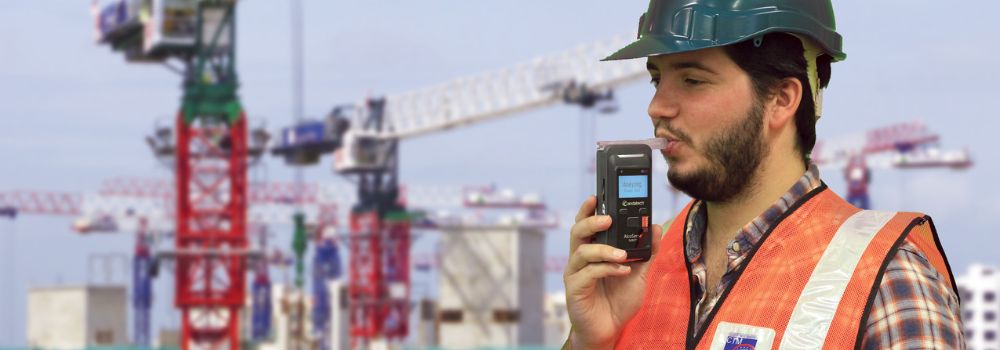
Suitable for high-traffic workplaces, checkpoints, or shift-entry screening.
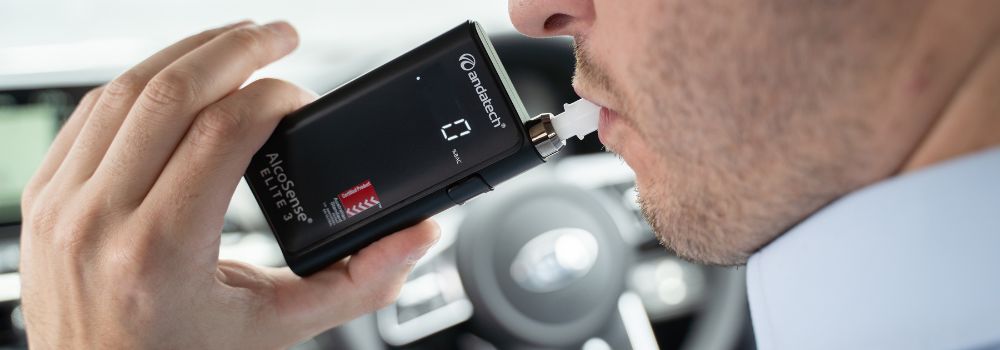
The device samples a small amount of breath blown by the worker and detects alcohol vapors quickly and discreetly. These are ideal for situations where you want to avoid confrontation or embarrassment.
All Andatech workplace breathalysers have this feature.
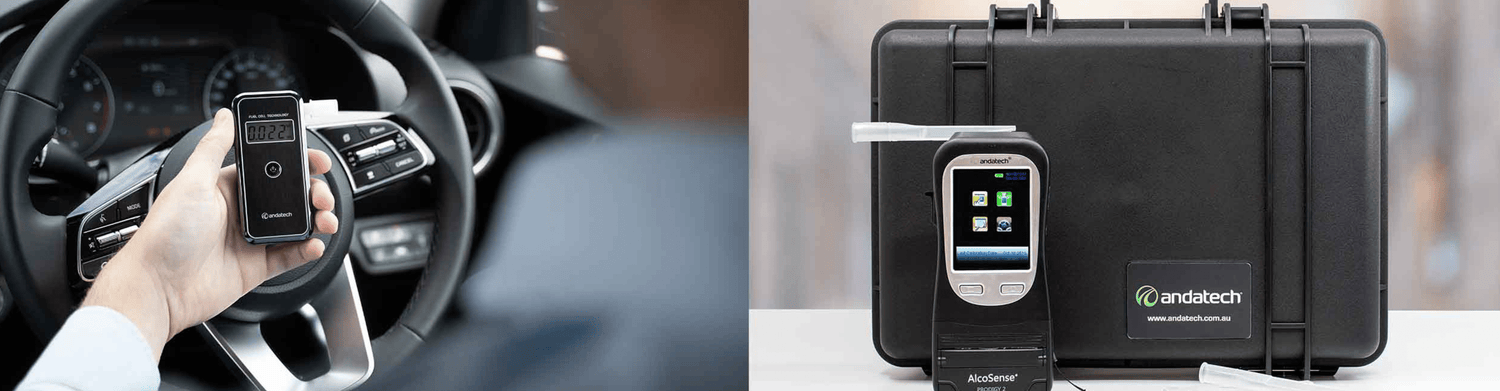
2. Handheld Evidence-Grade Breathalysers
These are used when a worker needs a formal confirmation test.
In Malaysia, reliable workplace models include:
- Andatech Prodigy 2S — fast testing with built-in printer and record keeping capabilities.
- Andatech Prodigy S — smaller handheld device with optional bluetooth printer. Also comes with record keeping capabilities.
These devices provide defensible readings that remove any guesswork from the supervisor’s decision-making. For more accurate results, always ensure that the breathalyser has been calibrated within the last 12 months.
How to Conduct Testing Without Making an Accusation
The language you use matters as much as the device itself, so stick to neutral, safety-based phrases such as “this is part of our routine safety procedure” or “we’re carrying out a standard workplace test to ensure everyone is fit for duty”.
Avoid judgmental statements like “you smell like alcohol”, “you’re drunk” or “we think you’ve been drinking”. The goal is to remove emotion and rely on process.
What to Do If a Test Is Positive
A positive test doesn’t mean humiliation or punishment — it means following the policy that already exists.
A respectful, compliant response may include:
- A confirmatory breath test
- Temporary reassignment or removal from high-risk tasks
- A private, confidential conversation
- Options for counselling, EAP, or rehabilitation
- Documentation for safety and HR records
This protects the company and the employee’s dignity.
Build a Safety-First Culture That Prevents Alcohol Problems Before They Start
Detecting alcohol use doesn’t require accusations or uncomfortable confrontations.
By focusing on policy, objective testing, respectful communication, and early support, employers can maintain a safe, productive environment without damaging trust.
The combination of clear procedures and reliable workplace breathalysers like the Prodigy 2S and Prodigy S gives Malaysian businesses a fair, consistent, and dignified way to address alcohol risks while keeping their people safe.
Contact us via WhatsApp or give us a call at 010-837 3790 to learn more about alcohol and drug testing solutions in Malaysia.
Disclaimer: The information provided in this article is for general reference only. Please seek advice from professionals according to your business’s needs.
Written by Andatech Malaysia