Workplace safety and national border enforcement converged into an unmistakable directive during the tabling of Budget 2027: Malaysia is executing a nationwide push for drug- and alcohol-free skies. Prime Minister Datuk Seri Anwar Ibrahim announced that airport security screening across the country will be dramatically tightened, highlighted by mandatory drug and alcohol testing for all pilots and flight crew.
What once functioned largely as an internal airline human resources policy has now transitioned into a federally enforced standard of national transport security and border integrity. With substantial public capital backing this enforcement, commercial carriers, charter services, and aviation ground operators must immediately adapt their occupational health and safety protocols to ensure total compliance.
The Operational Urgency Behind Substance-Free Skies
Commercial aviation demands acute cognitive sharpness, split-second decision-making, and flawless coordination. At 35,000 feet, there is zero margin for impaired psychomotor function or delayed reaction times.
While public attention often centers exclusively on pilots, modern aviation safety relies on an entire human chain. Flight attendants manage in-cabin crises and emergency evacuations, while airside personnel handle aircraft turnarounds and pre-flight clearances. Elevating substance screening across flight personnel preserves global passenger trust, safeguards Malaysia's international civil aviation standing, and guarantees that every individual boarding an aircraft is fully fit for duty.
National Security Infrastructure Backed by Capital
This aviation safety mandate is not an unfunded recommendation. It forms part of a synchronized national security upgrade supported by significant allocations under Budget 2027:
- Border Agency Empowerment: The Malaysian Border Control and Protection Agency (MCBA) has been allocated RM490 million to solidify security operations across national entry points.
- Advanced Airport Screening: A total of 48 new body and baggage scanners are being deployed across key international hubs, including Kuala Lumpur International Airport (KLIA), Penang International Airport (PIA), and Kota Kinabalu International Airport (KKIA).
- Security Fleet Modernization: The Ministry of Home Affairs and the Ministry of Defence each received RM22 billion, with RM7.1 billion ring-fenced specifically for asset procurement and maintenance across armed and uniformed enforcement agencies.
By linking toxicology checks directly to airside screening points alongside high-tech passenger and baggage scanners, the federal government is embedding substance screening into the routine checkpoint rhythm of Malaysian airports.
Operationalising Zero Tolerance: Building a Compliant Screening Workflow
Transitioning from sporadic testing to systematic pre-flight screening requires a clear, legally defensible framework. Aviation operators must bridge the gap between rapid on-site detection and strict chain-of-custody protocols.
1. High-Precision On-Site Alcohol Breath Testing
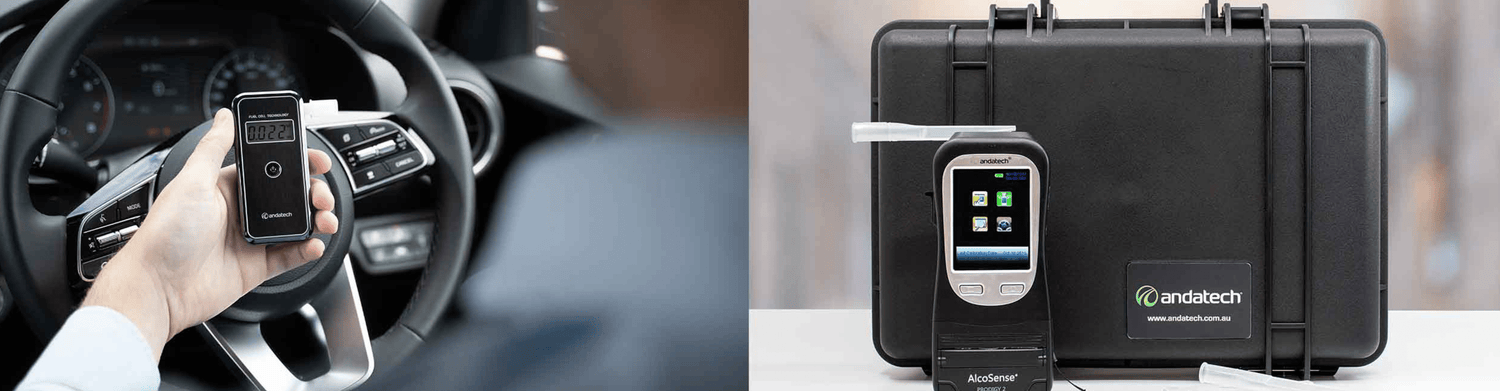
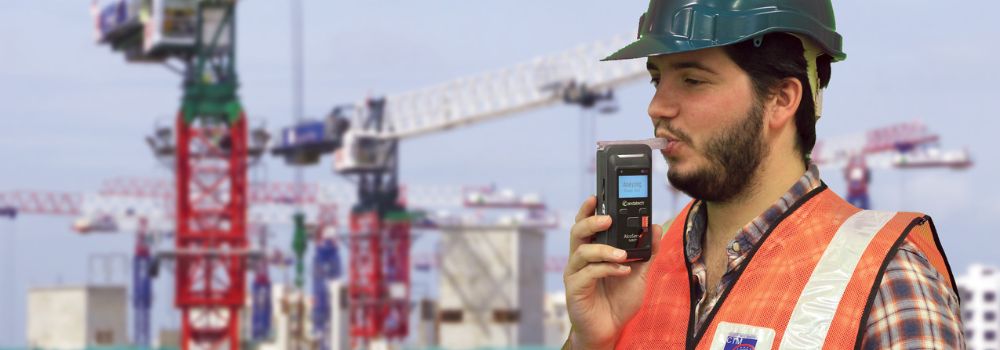
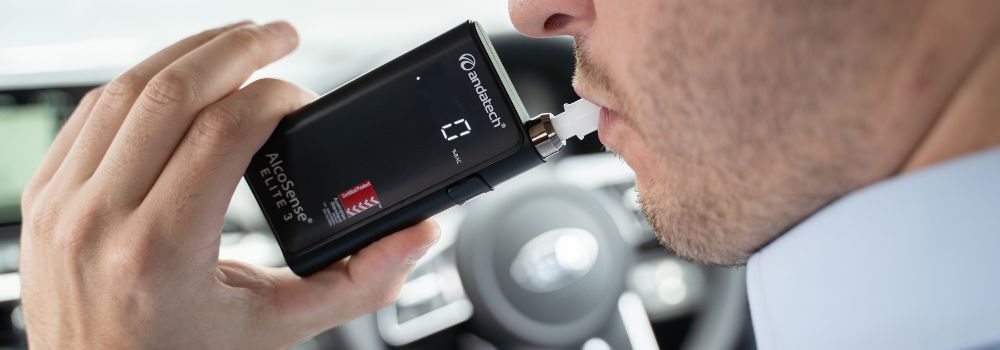
Aviation gate checks and pre-flight sign-ins require instant, repeatable accuracy without causing departure delays. Utilizing industrial-grade, Australian Standards certified breathalysers ensures that fuel-cell sensors deliver high-accuracy Blood Alcohol Concentration (BAC) readings within seconds. Systems equipped with data-logging and wireless printing produce immediate, tamper-evident audit trails at airside sign-on desks.
2. Standardised Rapid Drug Screening
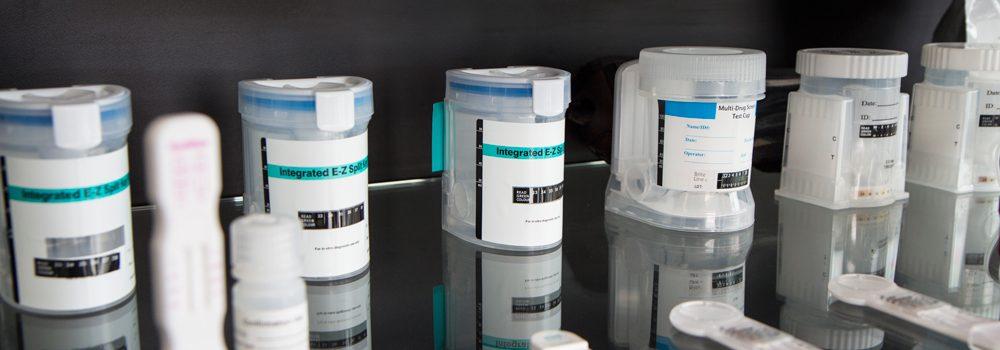
Workplace drug deterrence requires screening tools registered with relevant medical authorities. Utilizing MDA certified drug testing kits provides rapid, verifiable qualitative detection across target substance panels. Certified urine screening cups and test panels ensure baseline checks are conducted hygienically and systematically prior to crew boarding.
3. Clear Confirmatory Lab Pathways
On-site rapid screening is just the first defense. Presumptive positive results on active crew require immediate referral to accredited labs for confirmatory testing. These lab partnerships safeguard operators and staff, ensuring legally sound disciplinary actions and minimizing flight disruptions.
4. Collector Competency and Chain of Custody
Hardware alone cannot guarantee compliance. Internal safety officers, aviation medical examiners, and supervisory personnel must be thoroughly trained in sample handling, split-specimen protocols, and Chain of Custody documentation. Proper procedure prevents false-positive disputes, procedural dismissals, and union friction.
Leading Regional Aviation Safety with Andatech
Budget 2027 sets a clear precedent: substance screening is now an integral pillar of Malaysian airspace protection. As enforcement expands across national airports, airlines and aviation contractors must partner with proven industry leaders to ensure seamless compliance.
With decades of expertise in providing certified breathalysers, rapid drug testing solutions, and comprehensive training, Andatech stands ready to assist aviation operators in modernizing their safety protocols, avoiding operational bottlenecks, and leading the region in proactive aviation governance.
Contact Andatech today to start your alcohol and drug testing protocol.
Disclaimer: The information provided in this article is for general reference only. Please seek advice from professionals according to your business’s needs.
Written by Andatech Marketing