
1,457
people died in lorry crashes between January 2019 and November 2024, according to Bukit Aman traffic police.
Royal Malaysia Police figures, reported by Bernama via Malay Mail, 28 December 2024
Press Enter to search, Esc to close.

Transport and logistics
Every trip starts with a driver you trust. Give your depot team the breathalyzers, drug test kits and policy they need to confirm each driver is fit to drive before the keys change hands.
1,457
people died in lorry crashes between January 2019 and November 2024, according to Bukit Aman traffic police.
Royal Malaysia Police figures, reported by Bernama via Malay Mail, 28 December 2024
153
people died in bus crashes over the same period, from 548 accidents.
Royal Malaysia Police figures, reported by Bernama via Malay Mail, 28 December 2024
94 of 120
fatal crashes linked to impaired driving between 2023 and June 2026 involved drug-impaired drivers. The other 26 were linked to drunk driving.
Royal Malaysia Police (Bukit Aman JSPT), reported by The Capital Post, 30 July 2026
Choose the method that suits each testing situation. Many fleets use more than one.

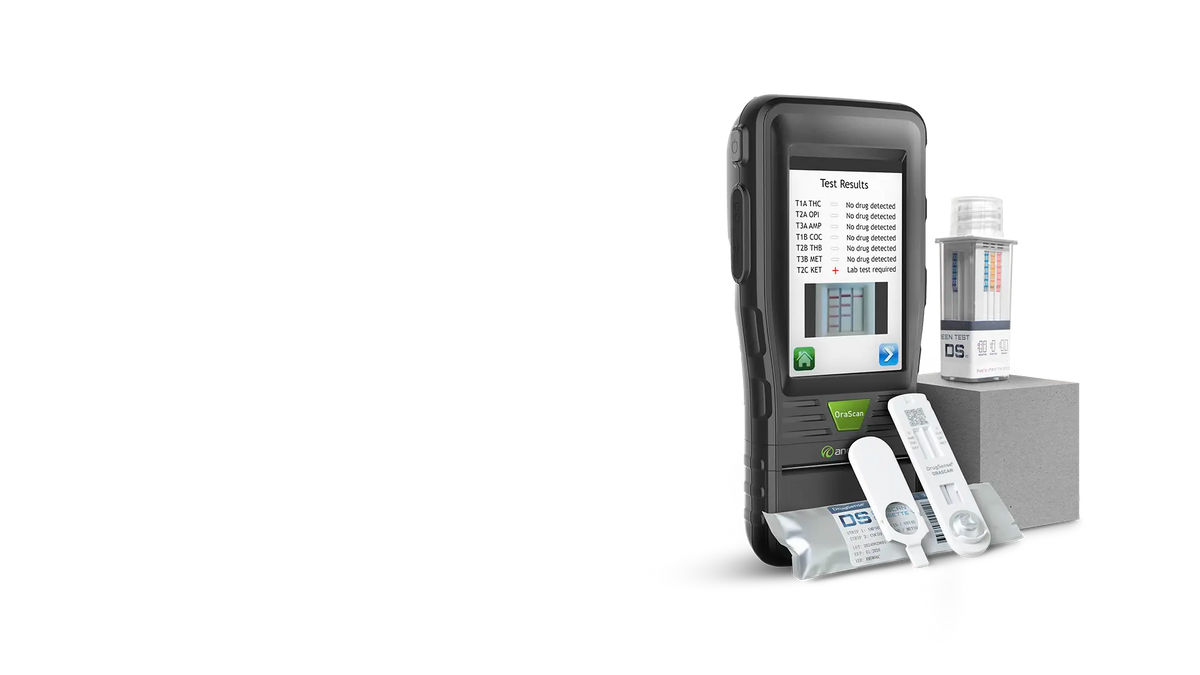
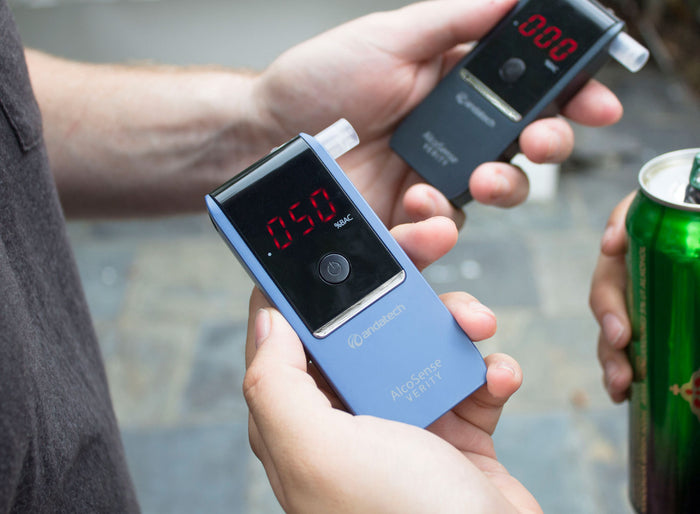
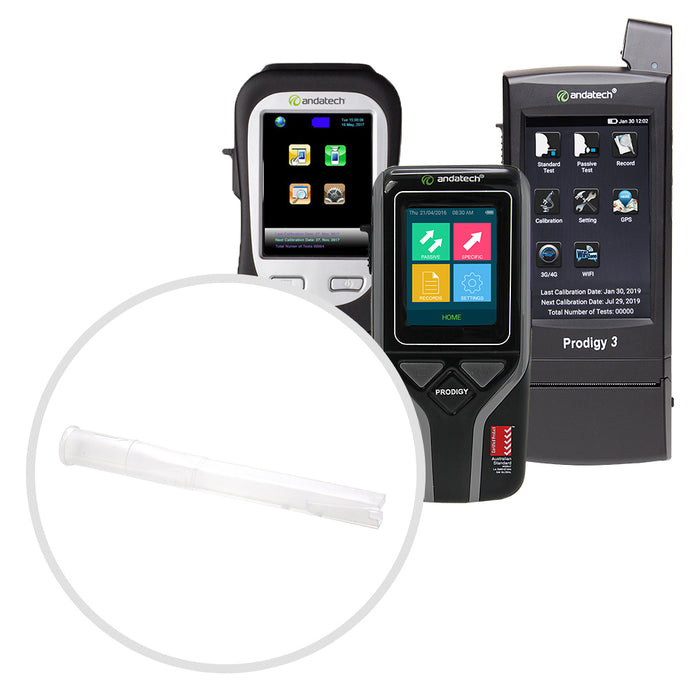
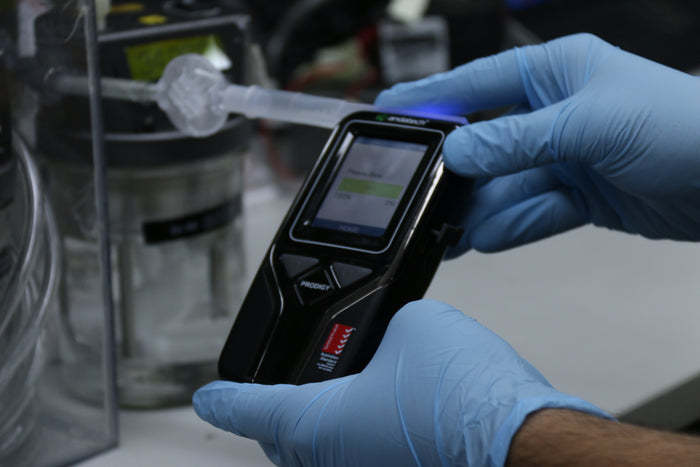
Portable breathalyzers with camera and GPS, like the Andatech Prodigy 3, record who was tested, where and when. Wall-mounted units test each driver at the depot in seconds. Every unit is certified to Australian Standard AS3547.

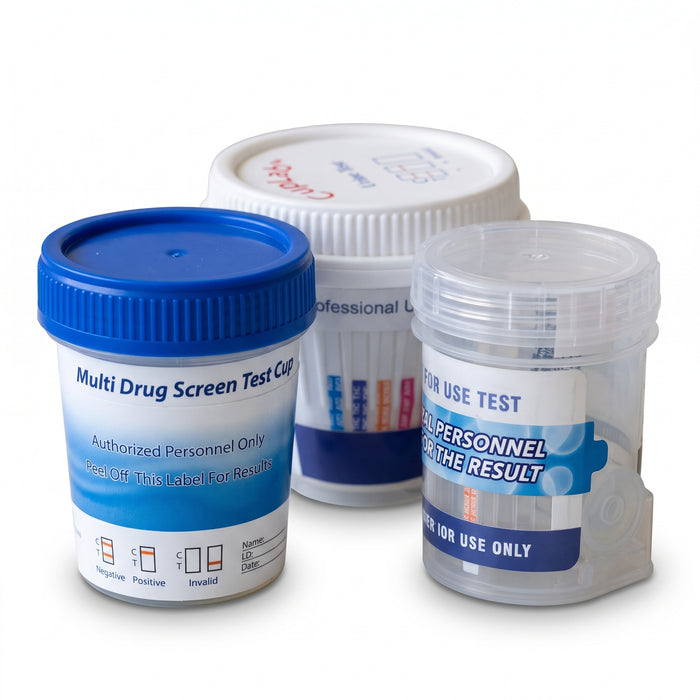
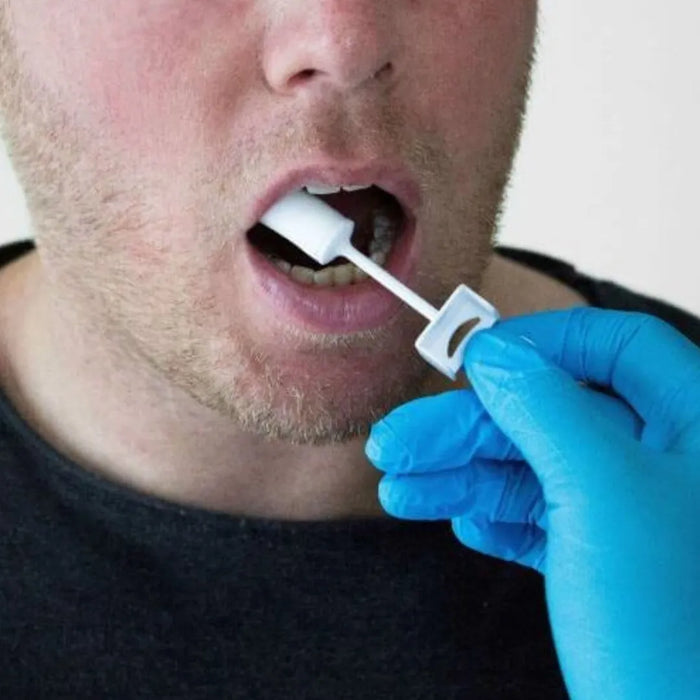
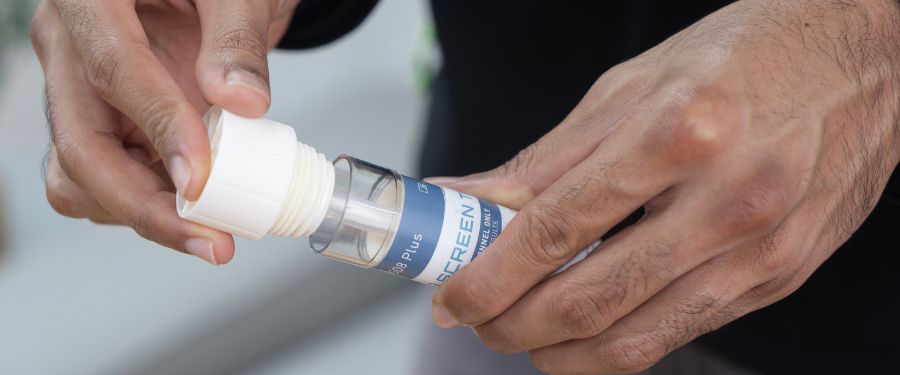
MDA-registered UDAT kits show use over a longer window. They suit pre-employment screening of new drivers.

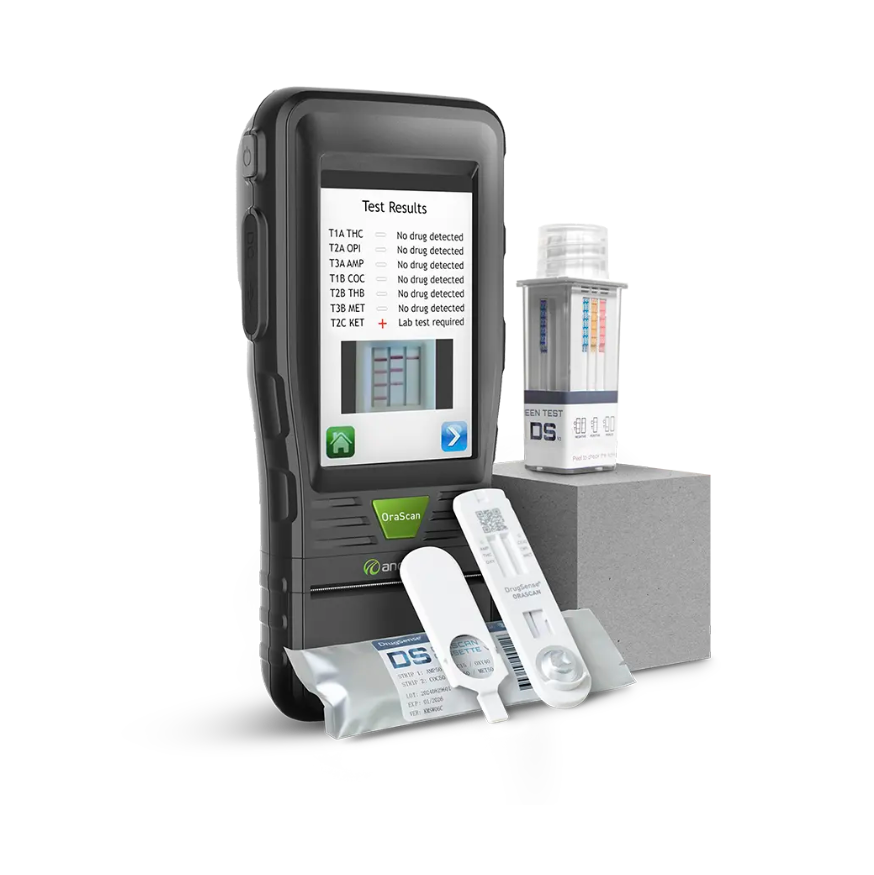
Saliva kits detect recent drug use, from roughly the last 5 to 48 hours, the window most linked to impaired driving.

Some fleets prefer an independent provider to run testing days at the depot. We can advise on what to look for in a provider and supply the same certified equipment for your own team.
Any business that puts drivers or operators on the road or in the yard. That includes:
One impaired driver puts other road users, your cargo and your company name on the line. Pre-trip testing helps you stop it at the depot.
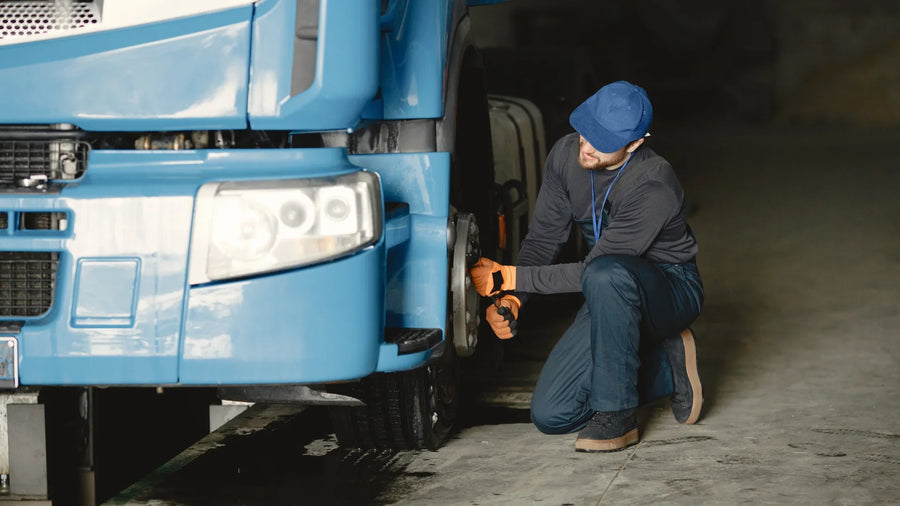
A heavy vehicle driven by an impaired driver can cause deaths and serious injuries.
One crash can write off a prime mover, its load and the delivery promised to your customer.
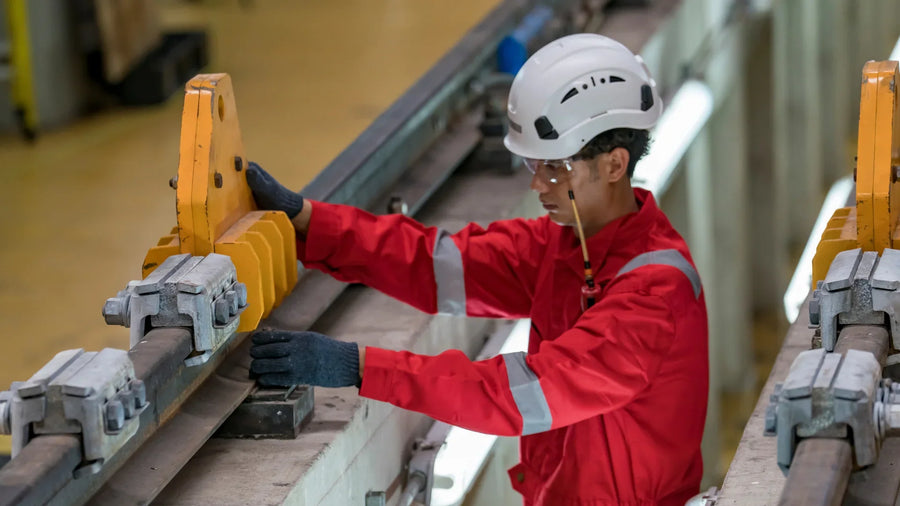
Long hours and night runs can push some drivers toward stimulants that hide fatigue but impair judgement.
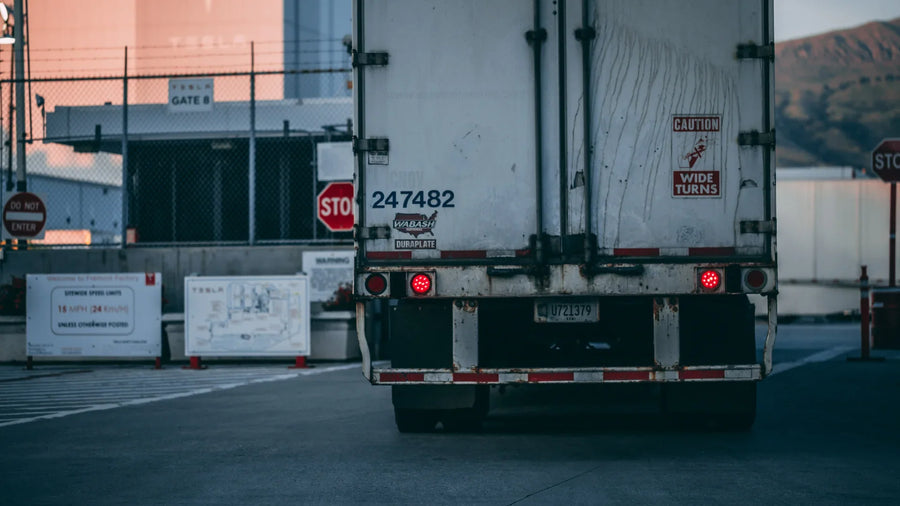
After a serious crash, investigators will ask what your company did to check its drivers were fit to drive.

Shippers and principals expect their transport partners to manage drug and alcohol risk. Weak controls can cost you the next tender.

A poor claims record raises premiums for the whole fleet.
A clear policy tells drivers what is expected, when they will be tested and what happens after a non-negative result. Make pre-trip testing part of the daily check, alongside the vehicle inspection.

Screen new drivers and operators before they start.

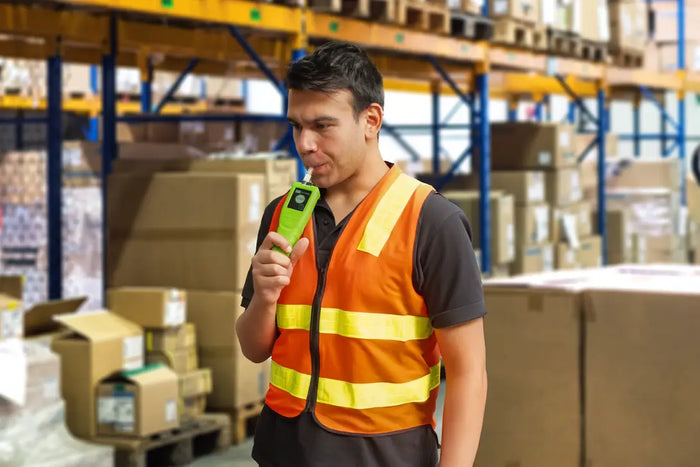
Breath test each driver at the depot before they take a vehicle out.

Test a share of drivers on a schedule your policy sets, to deter use.

Test a driver when a dispatcher or supervisor notices signs of impairment before a trip.

Test after any crash, near miss or vehicle damage.

Set clear conditions for a driver returning after a positive result or treatment.

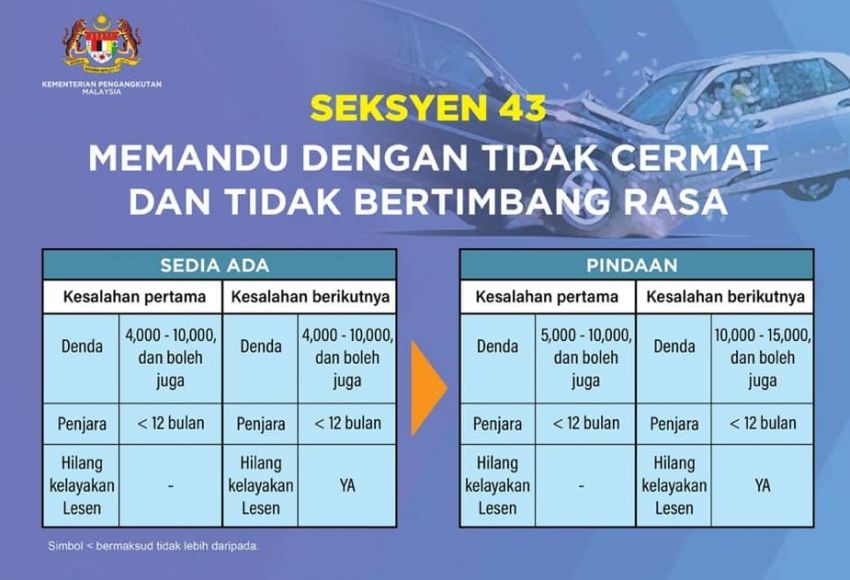
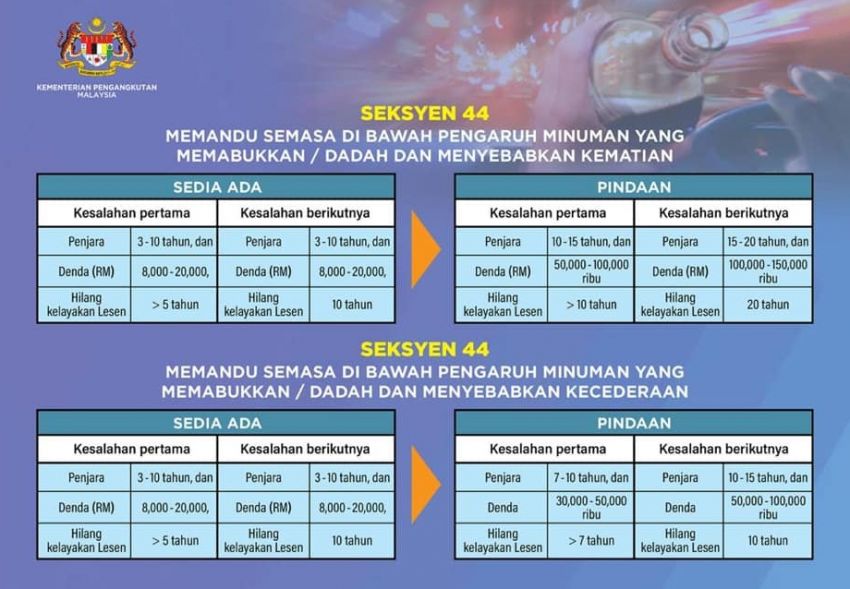
Makes it an offence to drive with alcohol above the legal limit, or while under the influence of drugs. Penalties rose under the 2020 amendments.

Your duty as an employer to provide a safe workplace, as far as practicable, including for workers on the road.
Every worker, including drivers, must take reasonable care for their own safety and for other road users and colleagues.

The DOSH guide to preventing substance abuse at work, with advice on policy, committees and training for employers.

Rules on collecting, storing and sharing driver test results and other personal data.
Many shippers set alcohol and drug rules for their transport contractors. Check your contracts before your next audit.
Detection windows and the drugs covered vary with the device, sample type and test panel.
Get a reading in seconds before every trip and keep a record of each test.
Any non-negative result goes to an accredited laboratory for confirmation. Keep your testing records ready for audits.
Guides to help you build and run a drug and alcohol program for your drivers.

Guide
Why fleets need a drug testing policy for their drivers.
Guide
How police use of saliva testing could affect your drivers and fleet.
Guide
How common drugs affect a driver's judgement and reaction time.
Guide
The legal alcohol limit for drivers in Malaysia, explained.
Guide
What drunk driving offences can mean for drivers in Malaysia.

Guide
Why drinking the night before can still affect a driver on an early run.
Still unsure? Talk to our team and we'll help you find the right testing approach for your fleet.
Under the Road Transport Act 1987, the limit is 50 mg of alcohol per 100 ml of blood, or 22 µg per 100 ml of breath. Many fleets set a stricter limit, including zero, in their own policy.
Yes. A breath test takes seconds, so it fits into the daily vehicle check without delaying departures.
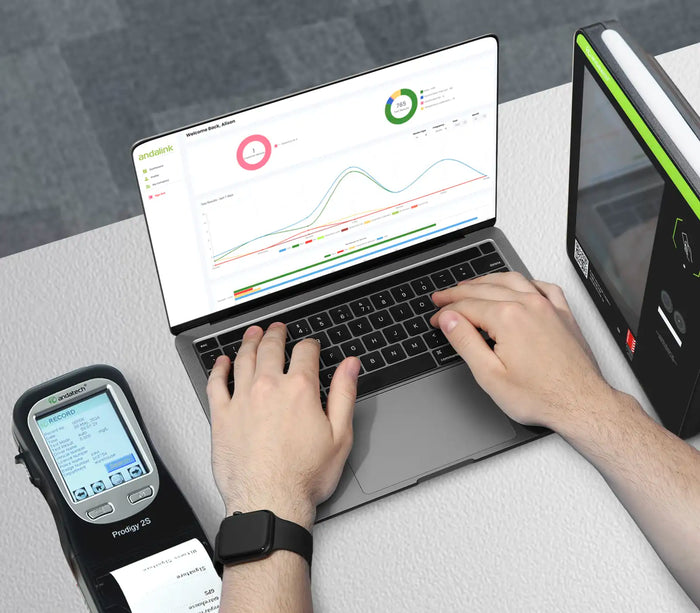
Place a breathalyzer at each depot and connect it to Andalink. Every result appears in one dashboard, and managers get an email alert when a test is over the limit.
No. We supply equipment and advise on your policy and process, so your own team or a provider you choose can run the tests.
Every 12 months. Our local office handles calibration and reminds you when it is due.