
10,335
occupational injury cases were recorded in manufacturing in 2023, the second-highest of any sector.
Department of Statistics Malaysia, National Occupational Injury and Disease Statistics 2023
Press Enter to search, Esc to close.

Manufacturing
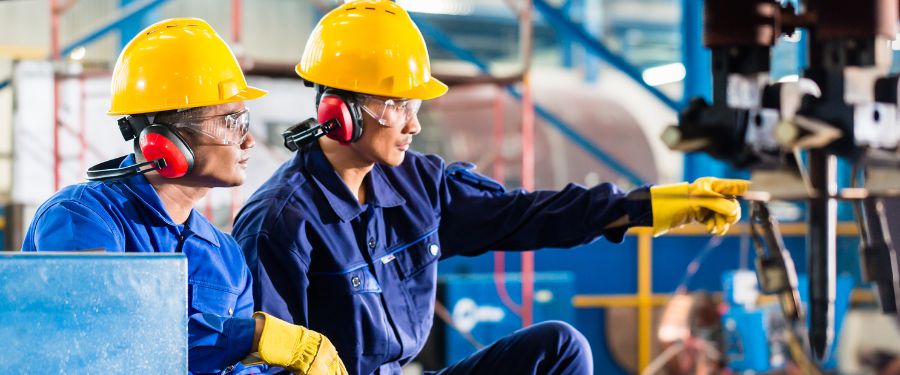
Machines don't forgive a slow reaction. Give your supervisors the breathalyzers, drug test kits and policy they need to keep every shift fit for work, from the first clock-in to the last.
10,335
occupational injury cases were recorded in manufacturing in 2023, the second-highest of any sector.
Department of Statistics Malaysia, National Occupational Injury and Disease Statistics 2023
66
workers died from occupational injuries in manufacturing in 2023.
Department of Statistics Malaysia, National Occupational Injury and Disease Statistics 2023
40,685
private-sector employees were among the 192,857 people recorded for drug abuse by the National Anti-Drugs Agency (AADK) in 2023.
Choose the method that suits each testing situation. Many plants use more than one.

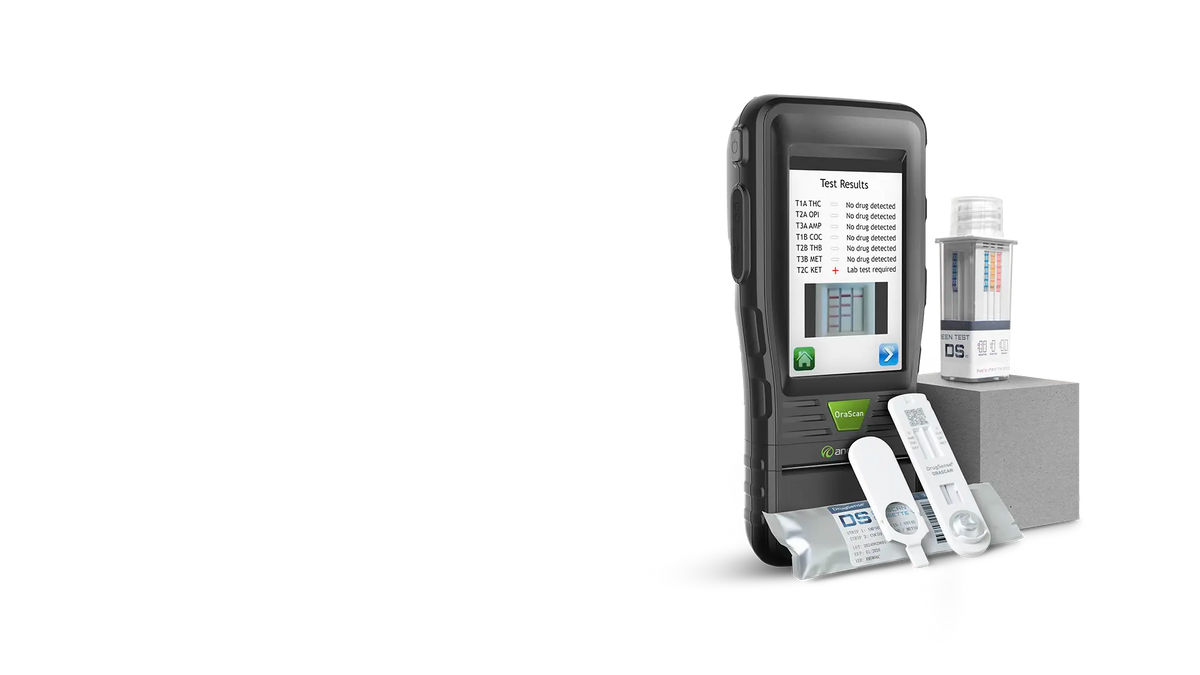
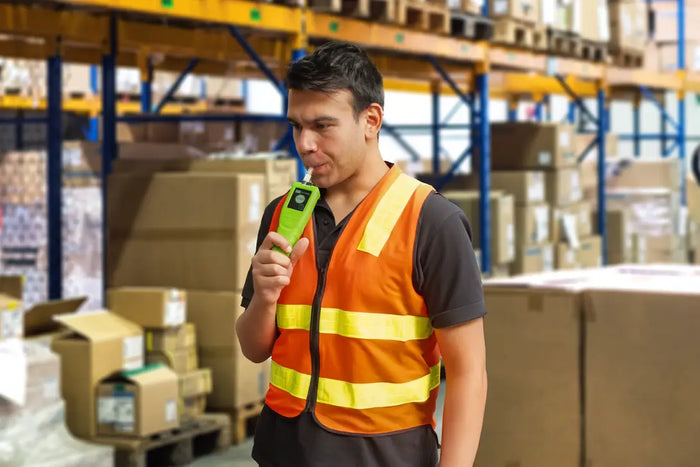
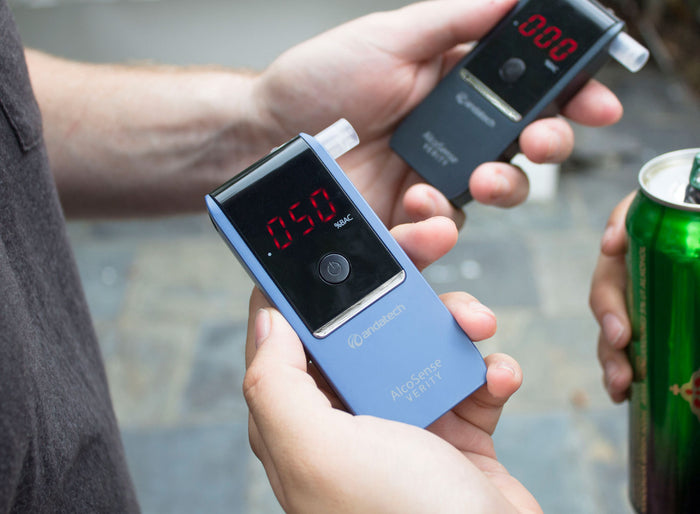
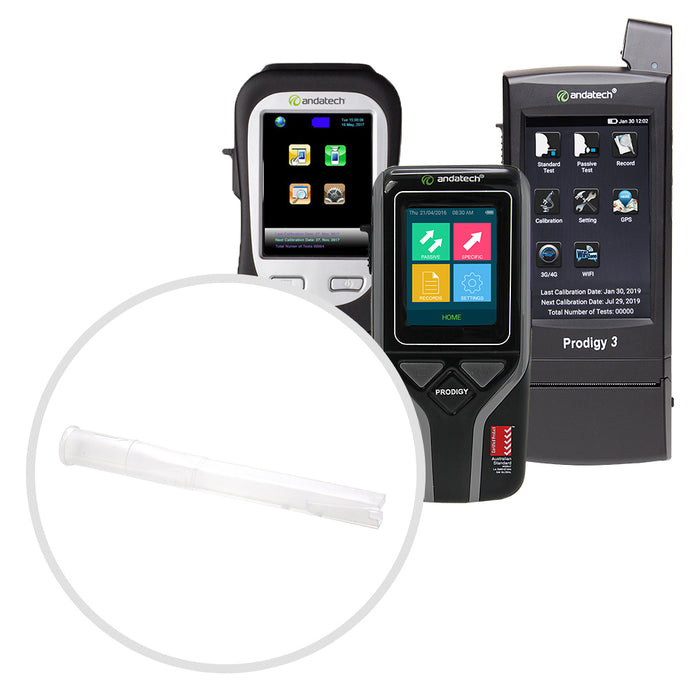
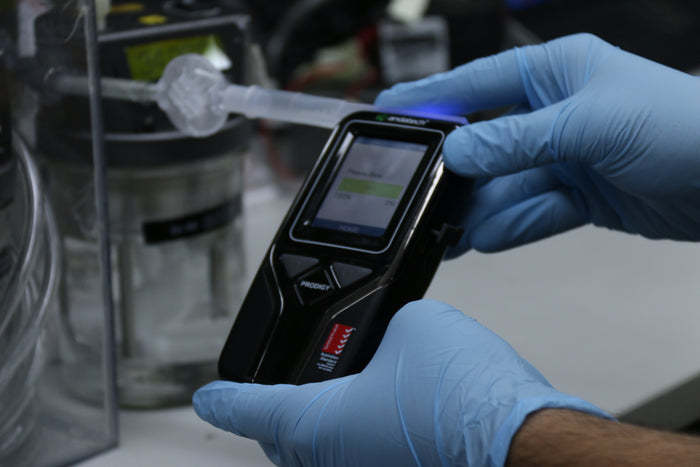
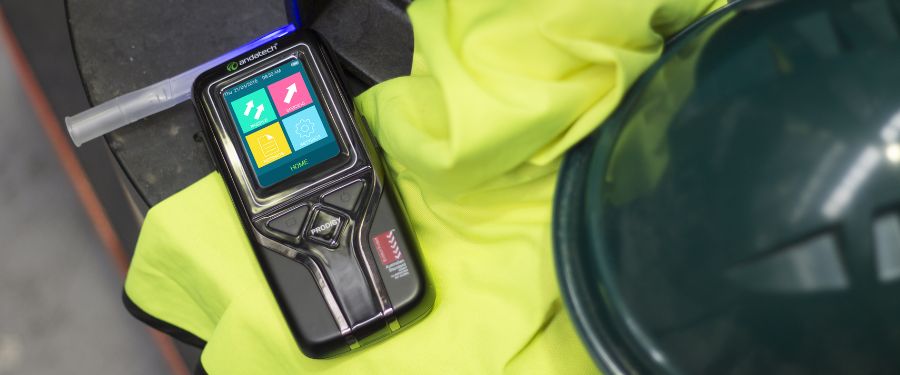
Wall-mounted breathalyzers at the entrance test each worker in seconds as they arrive. Portable units suit spot checks on the floor. Every unit is certified to Australian Standard AS3547.

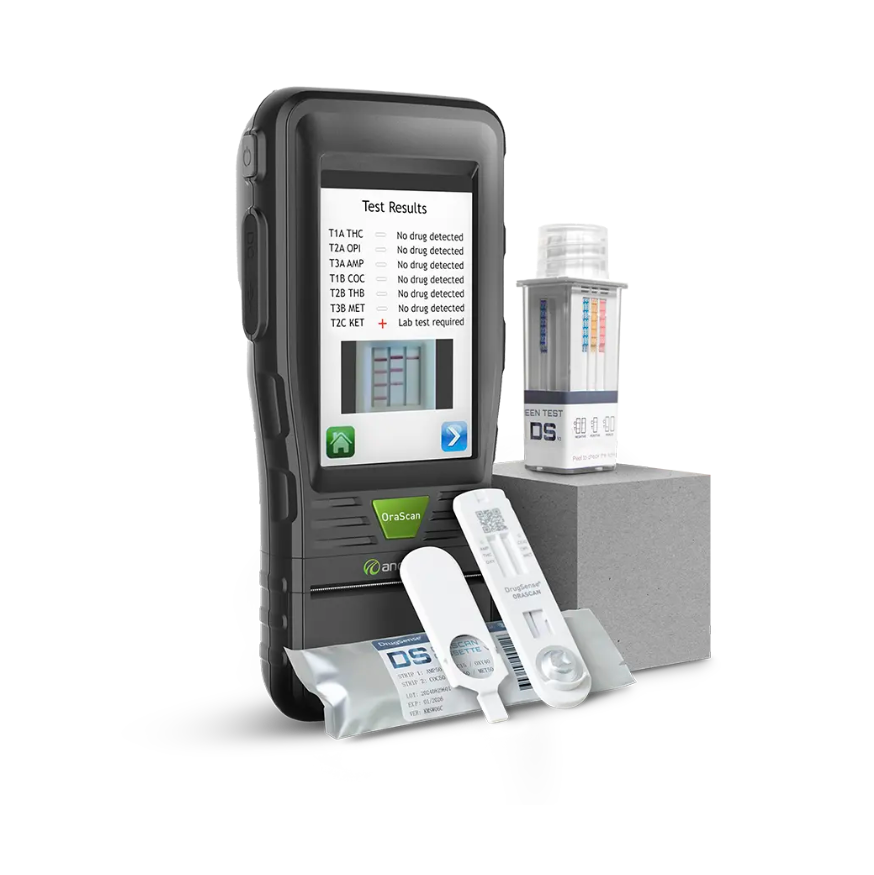
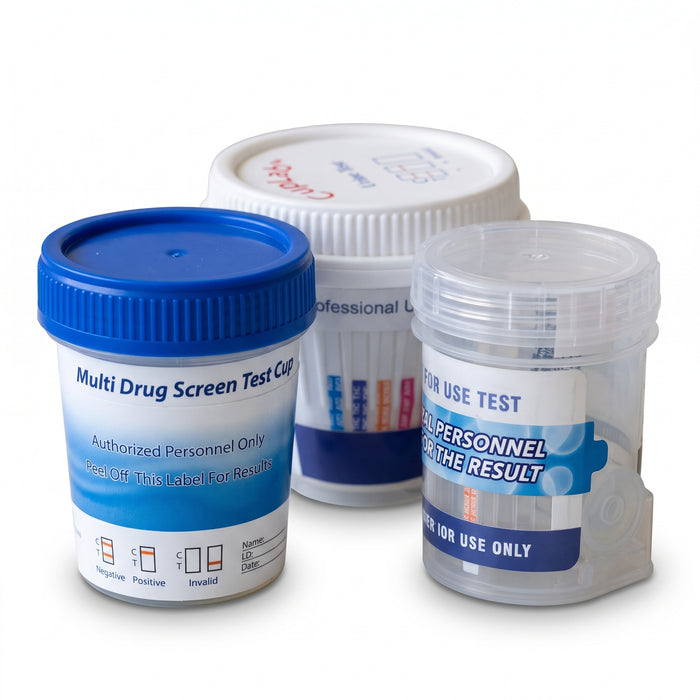
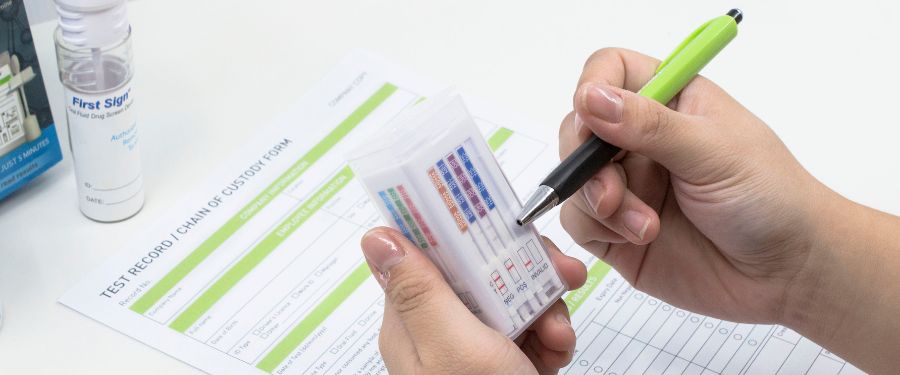
MDA-registered UDAT kits show use over a longer window. They suit pre-employment screening.

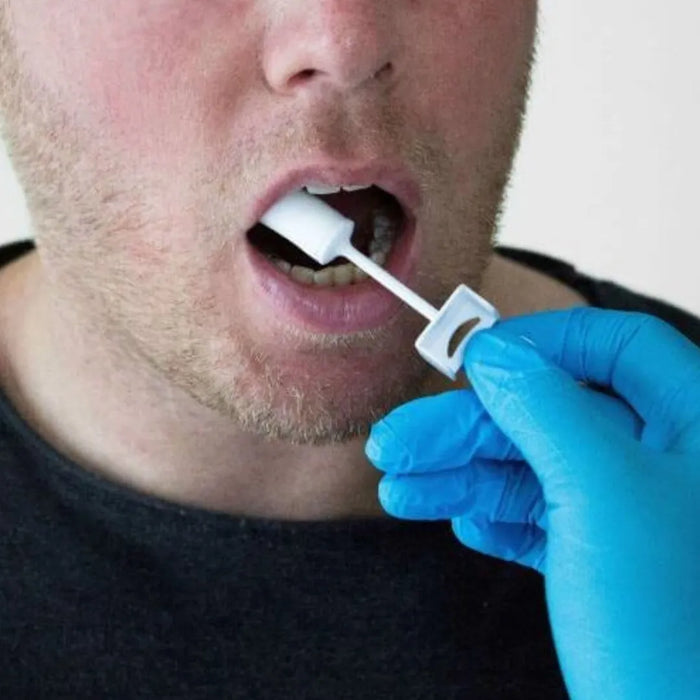
Saliva kits detect recent drug use, from roughly the last 5 to 48 hours. They suit post-incident and reasonable suspicion testing.
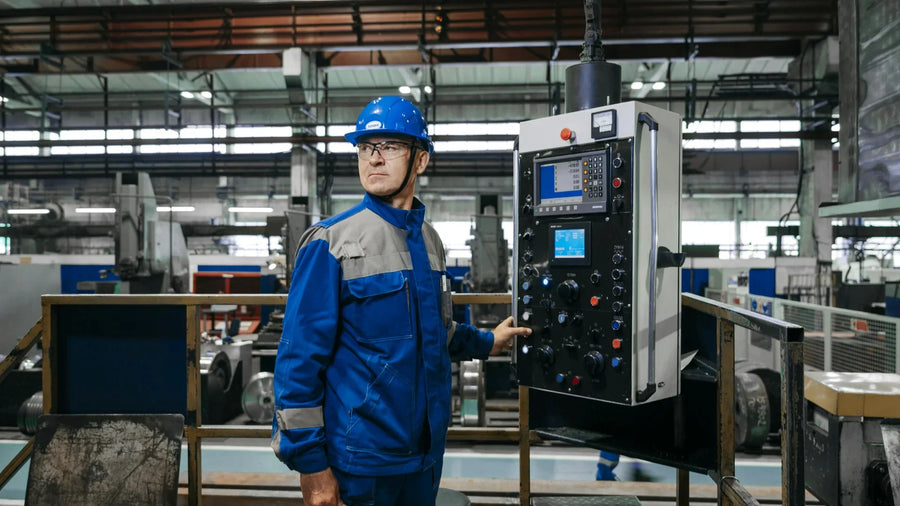
Some employers prefer an independent provider to run testing days at the plant. We can advise on what to look for in a provider and supply the same certified equipment for your own team.
Any site where an impaired worker could hurt themselves or others. That includes:
Impairment slows reactions and clouds judgement around moving machinery. A testing program helps you find the risk before it becomes an incident.
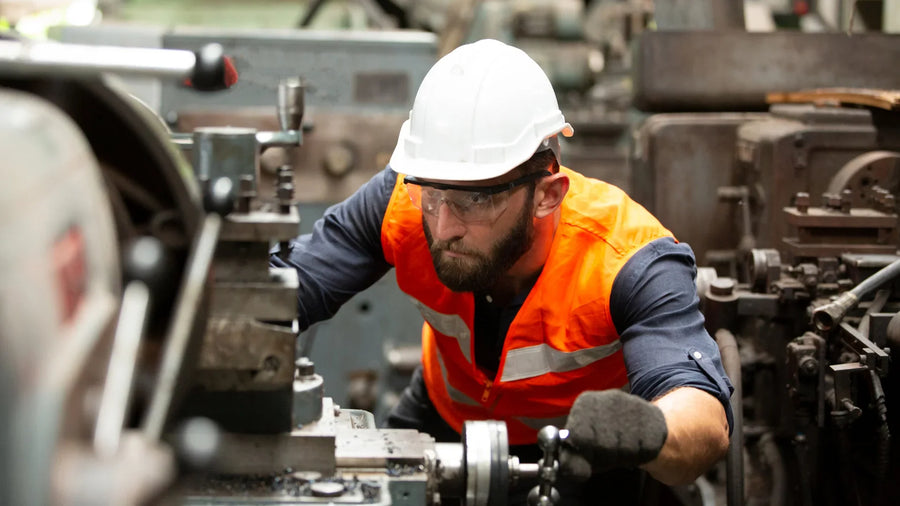
Presses, conveyors and cutting equipment leave no room for a delayed reaction.
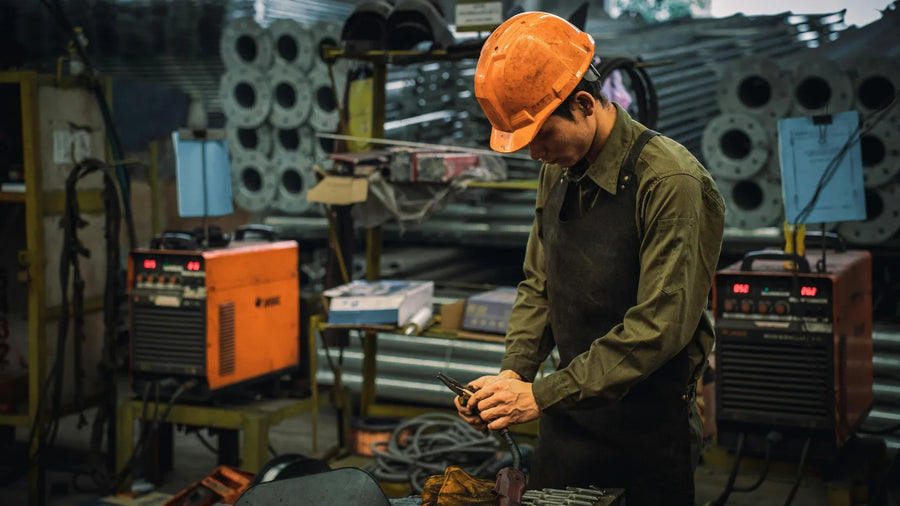
An impaired operator puts pedestrians, racking and stock at risk.
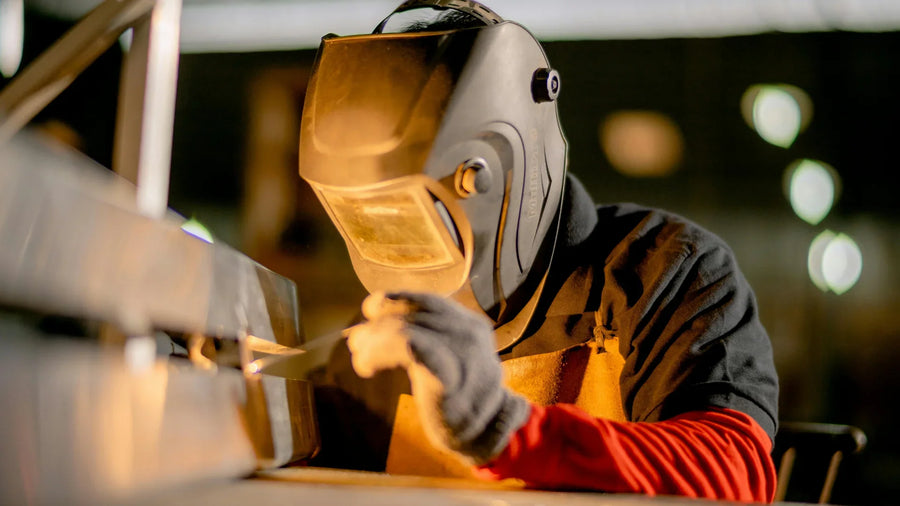
Alcohol from the night before can still affect workers on an early shift.
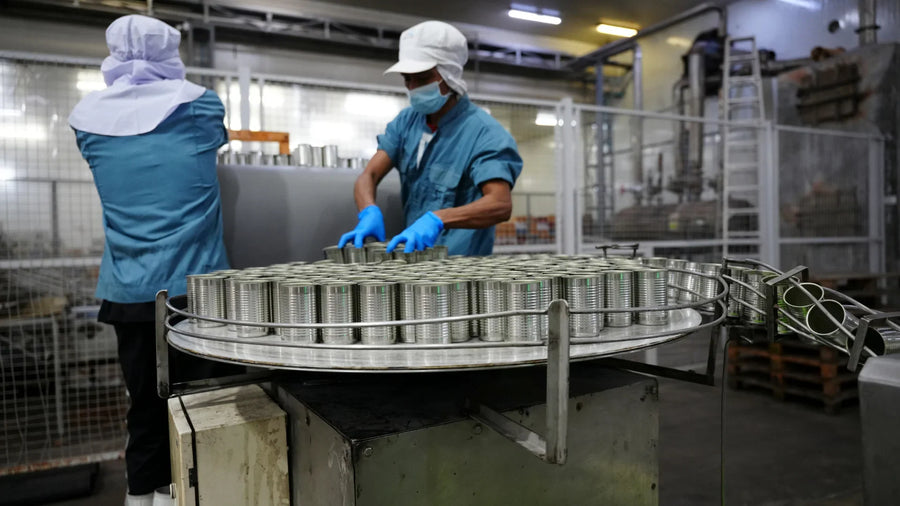
Mistakes on the line can mean rework, contamination or a recall, especially in food production.
An incident can stop a line, trigger an investigation and delay orders.
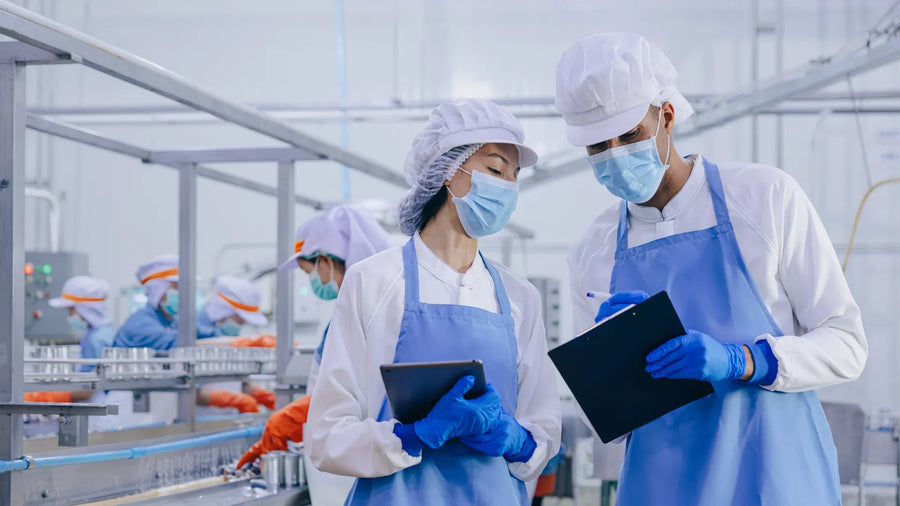
Many global buyers audit their suppliers' health and safety controls. A clear drug and alcohol program helps you pass.
A clear policy tells workers what is expected, when they will be tested and what happens after a non-negative result. Add impairment as a hazard in your HIRARC so testing links back to your risk assessment.

Screen new workers and contractors before they start.

Breath test machine operators, forklift drivers and other safety-critical workers before their shift.

Test a share of workers on a schedule your policy sets, to deter use.

Test when a supervisor sees signs of impairment.

Test after any injury, near miss or equipment damage.

Set clear conditions for a worker returning after a positive result or treatment.

Your duty as an employer to provide a safe workplace, as far as practicable.
Each worker's duty to take reasonable care for their own safety and the safety of others.

Guidance on preventing and eradicating drug, alcohol and substance abuse in the workplace, including policies, committees and training.

The framework for hazard identification, risk assessment and risk control. Impairment belongs in it as a hazard.

Rules for collecting, storing and sharing test results and other personal data.
Export customers often require suppliers to show health and safety controls. Check their codes before your next audit.
The drugs detected and detection windows depend on the device, sample type and testing panel you choose.
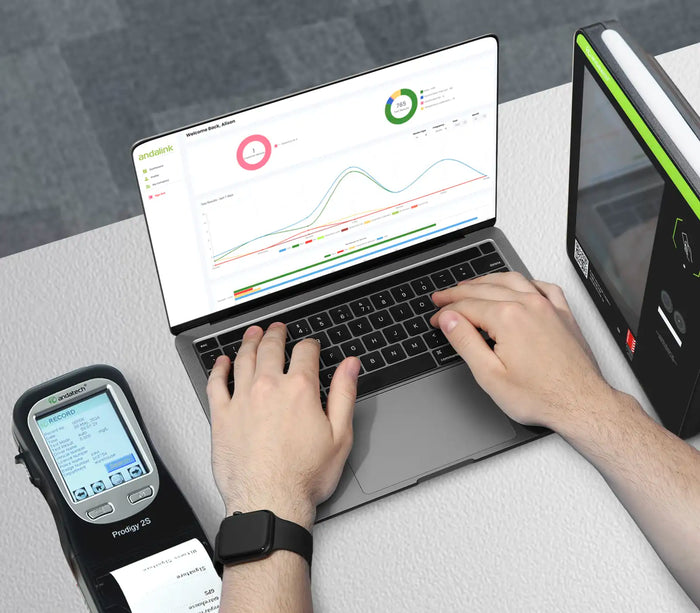
Get a reading in seconds at the gate and keep a record of every test.
Send any non-negative result to an accredited laboratory for confirmation, and keep testing records for audits.
Guides to help you build and run a drug and alcohol program for your plant.
Guide
A step-by-step guide to setting up a testing program at your workplace.
Guide
How reasonable suspicion testing works and when to use it.
Guide
What DOSH says about using breathalyzers at work.

Guide
Why last night's drinking can still affect an early shift.
Guide
How to handle suspected alcohol use with care and privacy.
Guide
What the latest Malaysian figures mean for employers.
Still unsure? Talk to our team and we'll help you find the right testing approach for your plant.
Many employers test under a written policy that workers know and agree to. OSHA 1994 and the DOSH Code of Practice support policies that prevent drug and alcohol problems at work. Check your employment contracts with your HR or legal adviser.
A wall-mounted breathalyzer at the entrance tests each worker in seconds. Portable units cover spot checks on the floor.
Follow your policy. Usually the worker is stood down from safety-critical work and the sample goes to an accredited laboratory for confirmation.
No. We supply the equipment and advise on your policy and testing process, so your own team or your chosen provider can run the tests.
Every 12 months. We calibrate at our local office and remind you when it is due.