
226
sea-related incidents were recorded by the Malaysian Maritime Enforcement Agency (MMEA) in 2024, involving 1,348 people.
Press Enter to search, Esc to close.

Maritime
One impaired decision at sea can cost a life, a vessel or a contract. Give your masters and crew the breathalyzers, drug test kits and policy they need to prove every person on board is fit for duty.
226
sea-related incidents were recorded by the Malaysian Maritime Enforcement Agency (MMEA) in 2024, involving 1,348 people.
89
people died or went missing at sea in 2024 (64 deaths and 25 missing). MMEA linked nearly 80% to a lack of safety equipment such as life jackets.
8 of 8
fishing crewmen arrested in an MMEA operation off Mersing in October 2024 tested positive for drugs, including methamphetamine and morphine.
Choose the method that suits each testing situation. Many operators use more than one.

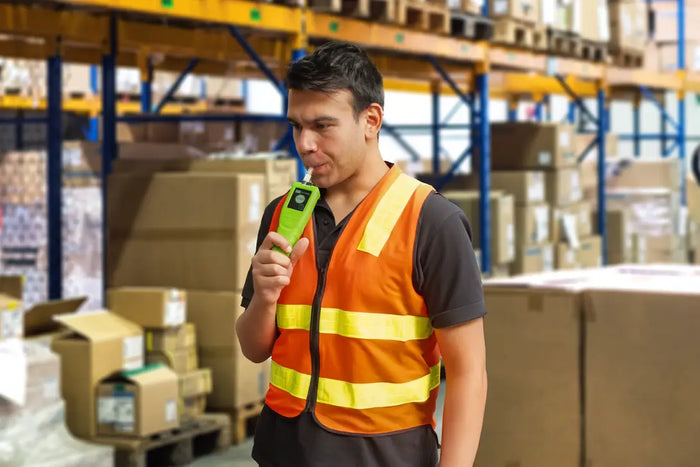
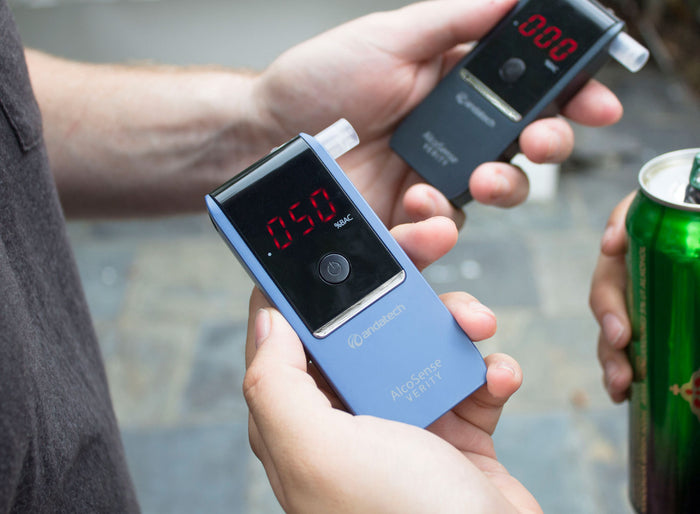
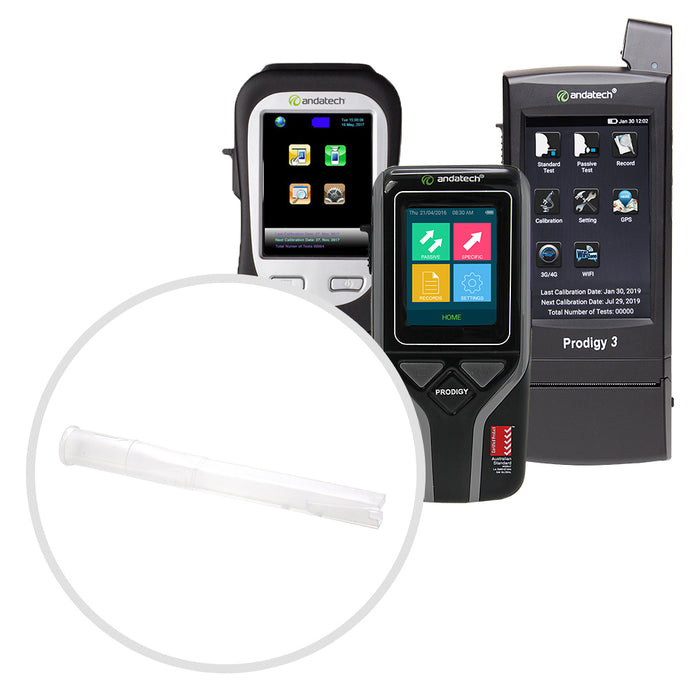
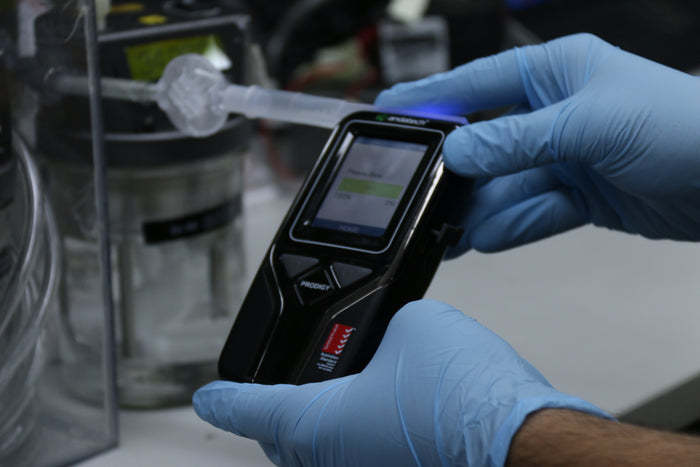
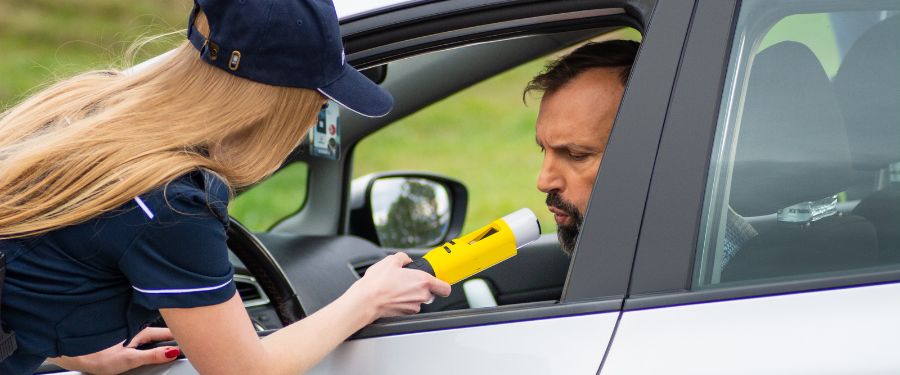
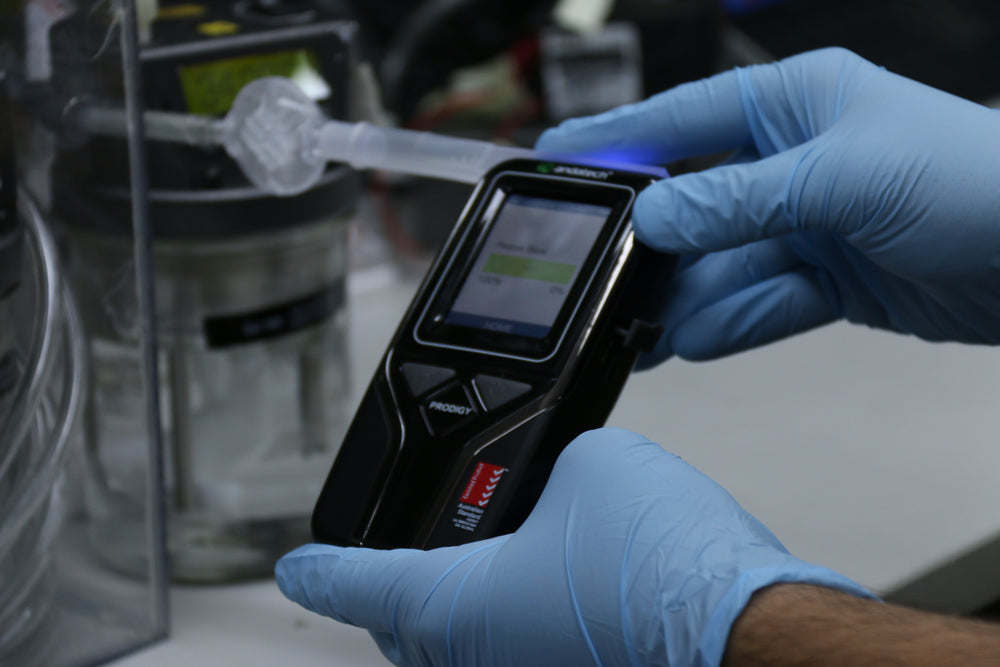
Portable breathalyzers for testing on deck, on the wharf or before departure. Our breathalyzers are certified to Australian Standard AS3547 and calibrated every 12 months.

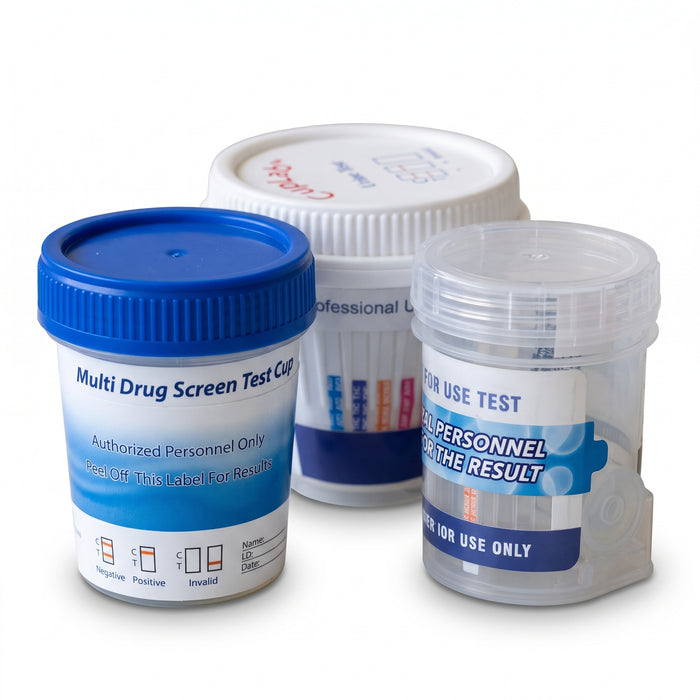
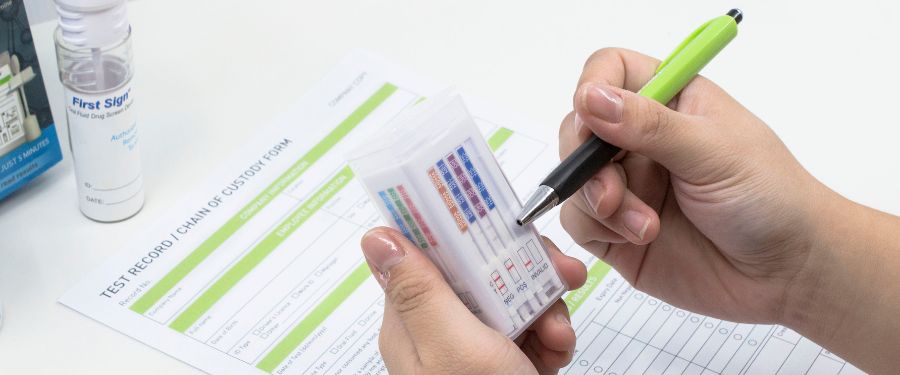
MDA-registered UDAT kits show use over a longer window. They suit pre-employment and pre-joining checks.

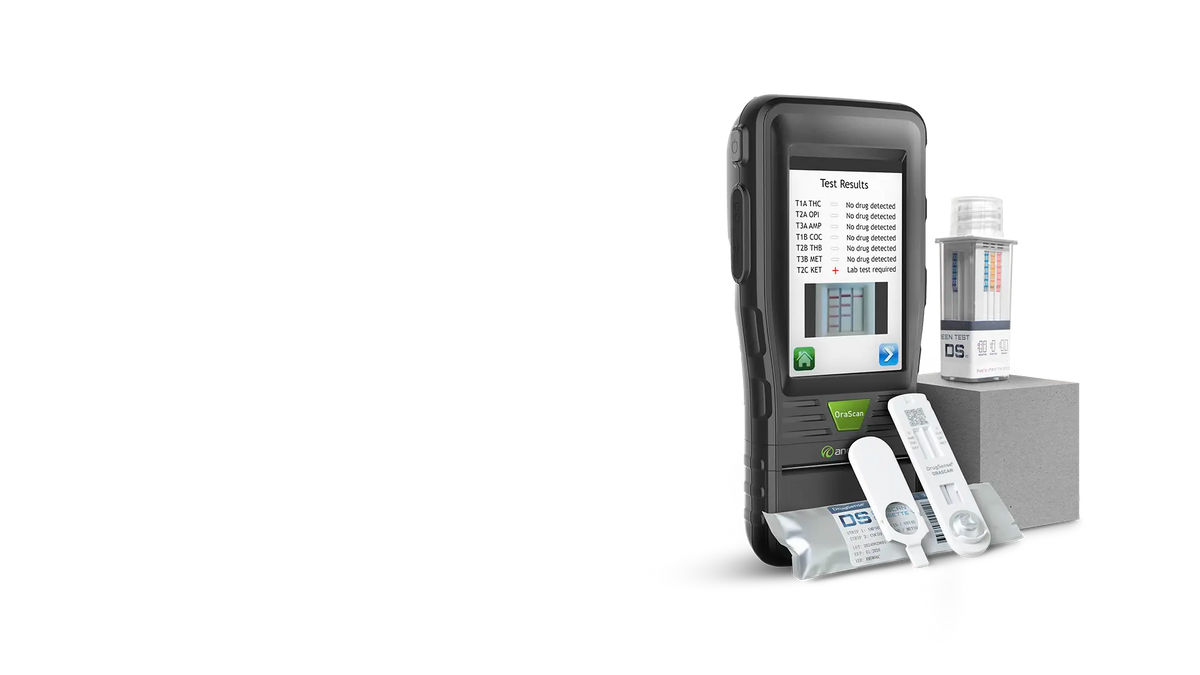
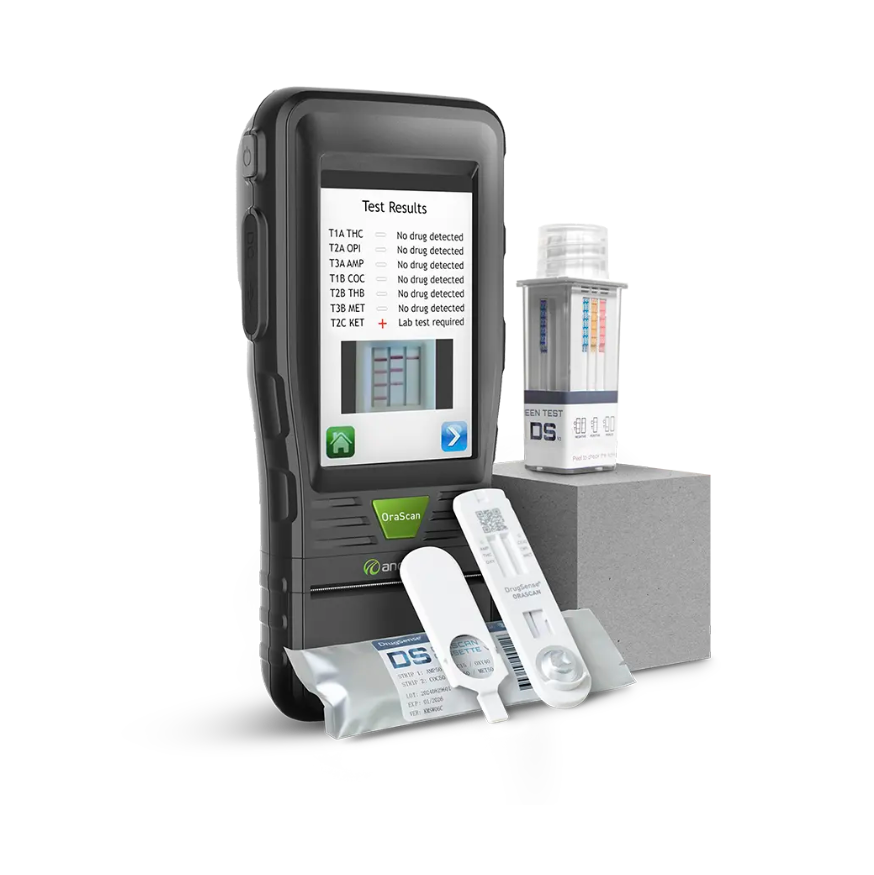
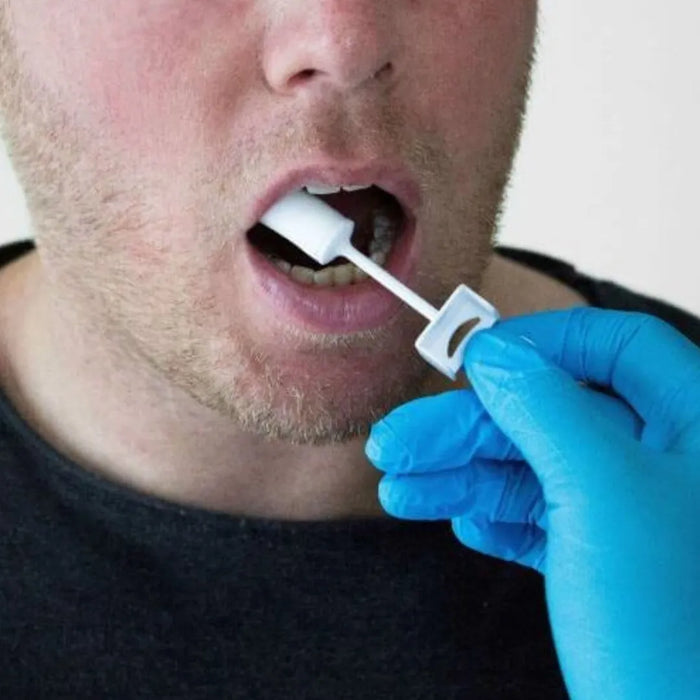
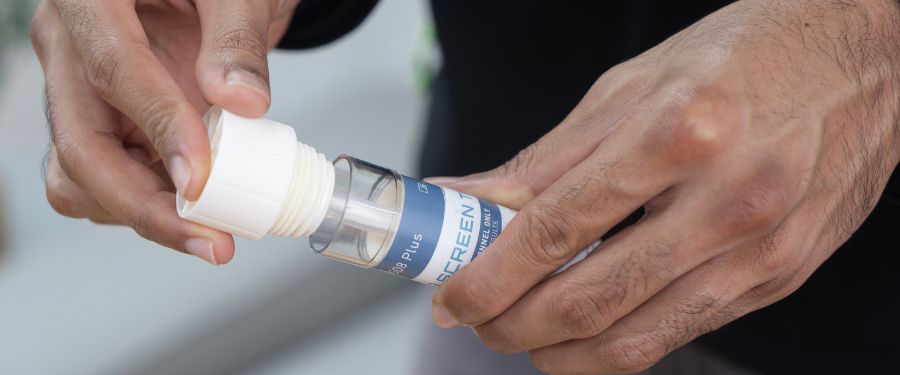
Saliva kits detect recent drug use, from roughly the last 5 to 48 hours. Testers can collect on board with no toilet or private room.
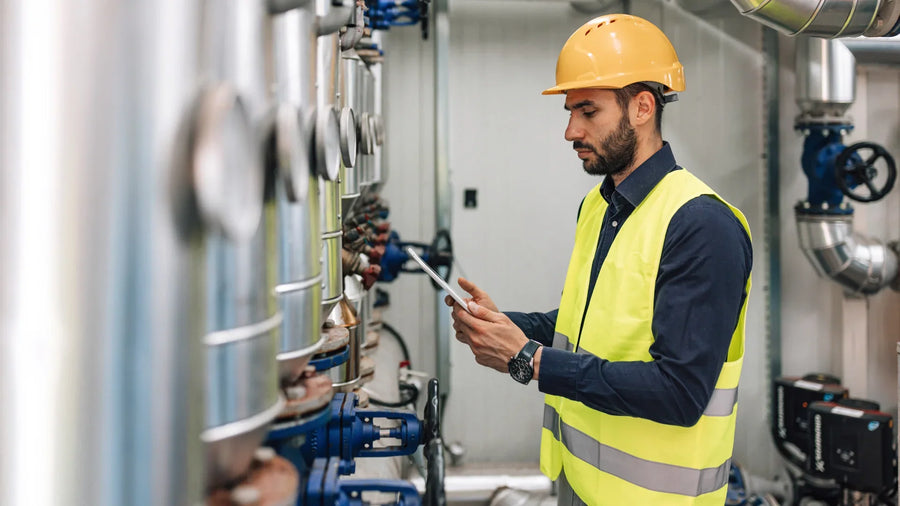
Some operators prefer an independent collector to run testing at the port or offshore. We can advise on what to look for in a provider and supply the same certified equipment for your own team.
Any business that puts people on the water or on the wharf has a duty of care to them. That includes:
Impairment on board puts crew, cargo and your operating record at risk. A testing program helps you catch it before the vessel leaves the berth.
Slow reactions on the bridge or in the engine room can turn a routine passage into a casualty.
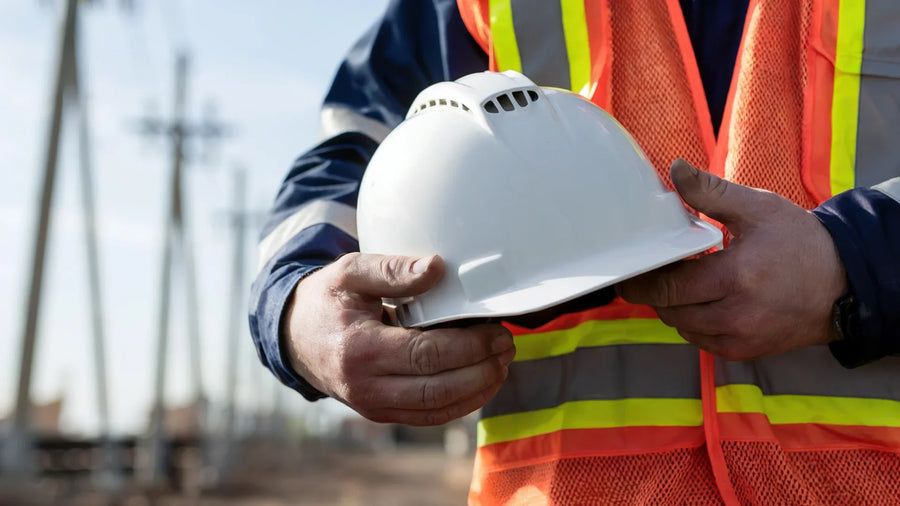
Deck work, mooring and lifting leave little margin for error. One impaired crew member puts the whole team at risk.

Long trips, fatigue and isolation make fishing fleets especially exposed to drug use on board.
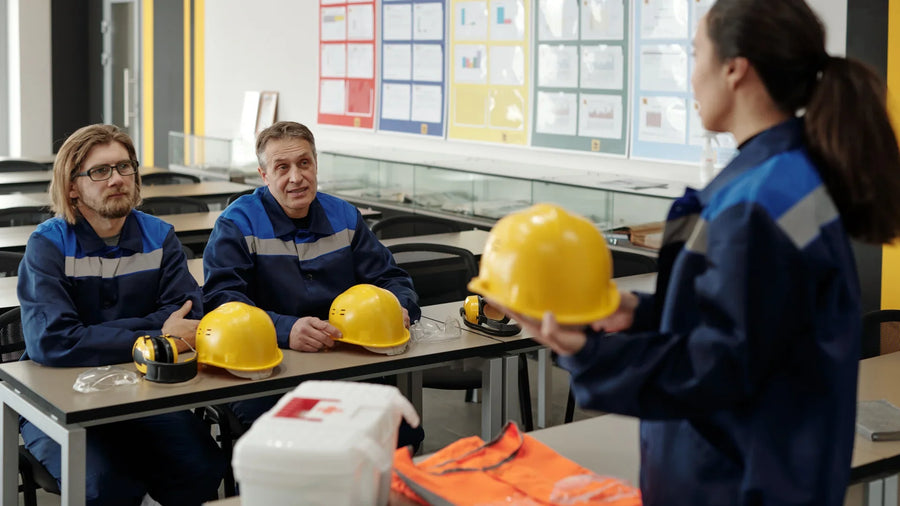
An incident can hold a vessel in port and push back every voyage after it.
Charterers and offshore operators expect contractors to manage drug and alcohol risk. Weak controls can cost you the next tender.
A poor incident record raises premiums and makes claims harder to defend.
A clear policy tells crew what is expected, when they will be tested and what happens after a non-negative result. Build testing into your safety management system and train the officers who will run it.

Screen new crew before they sign on or join a vessel.

Breath test crew before departure or before they take a watch.

Test a share of crew on a schedule your policy sets, to deter use.

Test when an officer sees signs of impairment.

Test after any collision, injury, near miss or equipment damage.

Set clear conditions for a crew member returning after a positive result or treatment.

The international standard for seafarer training and watchkeeping. It sets alcohol limits for crew on watch and requires measures to prevent drug and alcohol abuse.
Your duty as an employer to provide a safe workplace, so far as is practicable, on board and ashore.
Every crew member must take reasonable care of their own safety and that of others on board.

DOSH guidance on preventing and eradicating drug, alcohol and substance abuse at work, covering policies, committees and training.

Rules on how crew test results and other personal data are collected, stored and shared.
Oil, gas and port operators often set their own alcohol and drug rules for contractors. Check your client's policy before your crew goes to site.
What a kit detects, and for how long, depends on the device, the sample type and the panel you choose.
Get a reading in seconds and record it for audits.
Send any non-negative result to an accredited laboratory for confirmation, and keep testing records for inspections.
Guides to help you build and run a drug and alcohol program for your crew.
Guide
How our partnership with Ipoh Prima Medic supports marine operators.

Guide
Why long trips and isolation raise the risk on fishing vessels.
Guide
What police use of saliva testing means for employers.
Guide
How cut-off levels work and what they mean for your results.
Guide
A step-by-step guide to setting up drug and alcohol testing for your vessels and crew.
Guide
Why we calibrate breathalyzers every 12 months and how our reminders work.
Still unsure? Talk to our team and we'll help you find the right testing approach for your vessels and crew.
The STCW Convention sets a maximum of 0.05% BAC for masters, officers and ratings on watch duties. Many operators set a stricter limit, including zero, in their own policy.
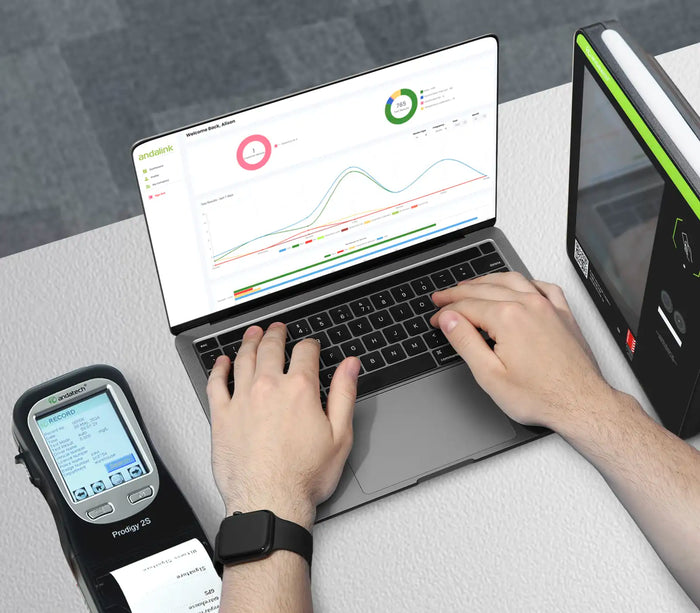
Yes. Portable breathalyzers and saliva kits need no lab or collection room, so officers can test on board. For a fleet, Andalink collects every breath result in one dashboard.
A breath test takes seconds, so it suits pre-departure checks. Saliva kits suit post-incident and reasonable suspicion testing.
No. We supply the equipment and advise on your policy and testing process, so your own officers or your chosen provider can run the tests.
Once a year. Our local office calibrates your units and sends a reminder before the due date.