
32
workers died in 2024 across the oil and gas producers that report to the International Association of Oil and Gas Producers (IOGP), five more than in 2023.
Press Enter to search, Esc to close.

Oil, gas and energy
Refineries, plants, pipelines and offshore platforms run on safety-critical tasks, where one impaired decision can hurt people and stop operations. Give your supervisors and contractors the breathalyzers, drug test kits and policy they need to keep every shift fit for work.
32
workers died in 2024 across the oil and gas producers that report to the International Association of Oil and Gas Producers (IOGP), five more than in 2023.
11
of those deaths happened in drilling, workover and well operations, more than in any other activity.
3
contract workers died in a lifeboat maintenance accident on the Sepat floating storage unit off Terengganu in May 2026. Petronas confirmed the deaths.
Pick the method that fits each situation on site. Many operators use more than one.

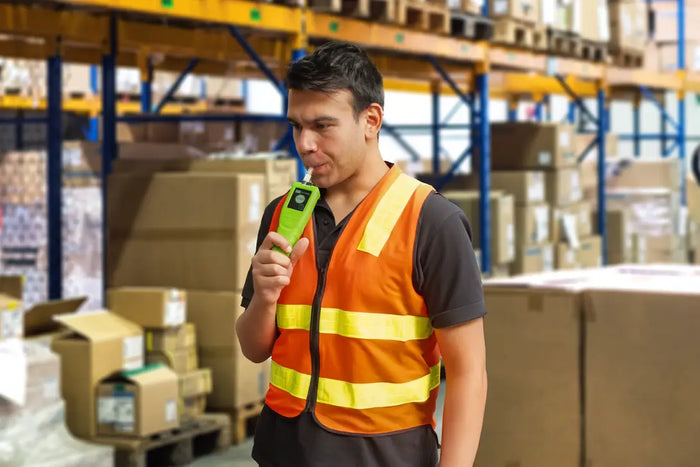
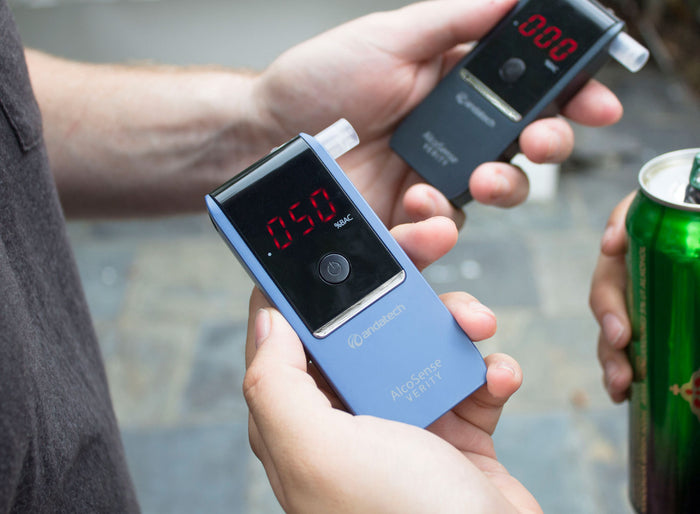
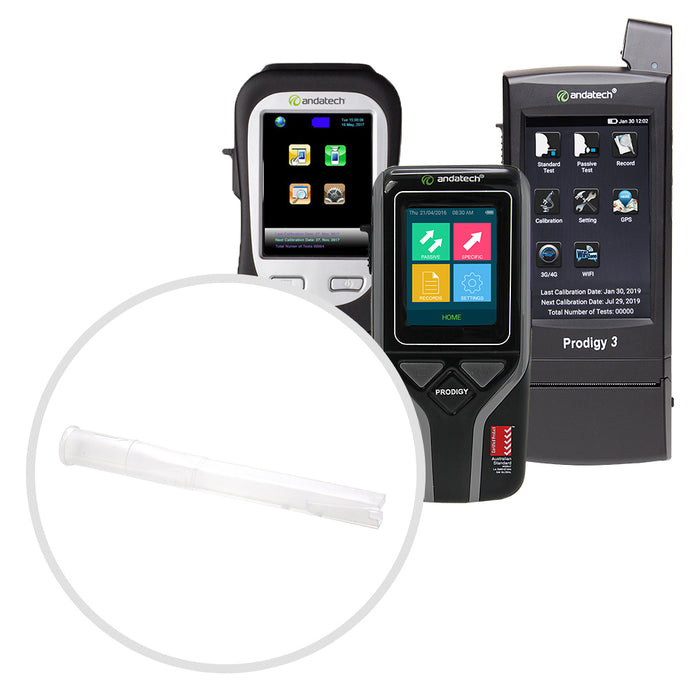
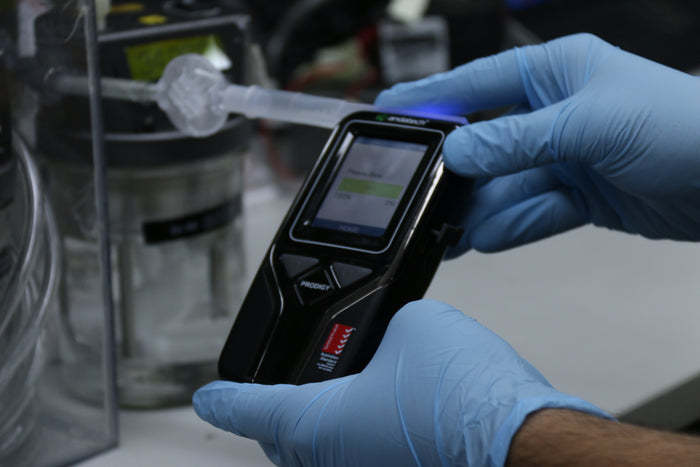
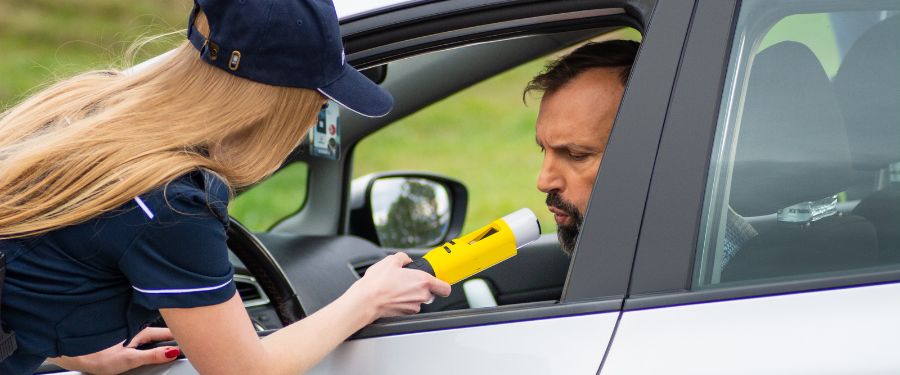
Wall-mounted breathalyzers at the site gate or control room entrance test each worker in seconds. Portable units suit spot checks in the plant and at remote or offshore sites. Every unit is certified to Australian Standard AS3547.

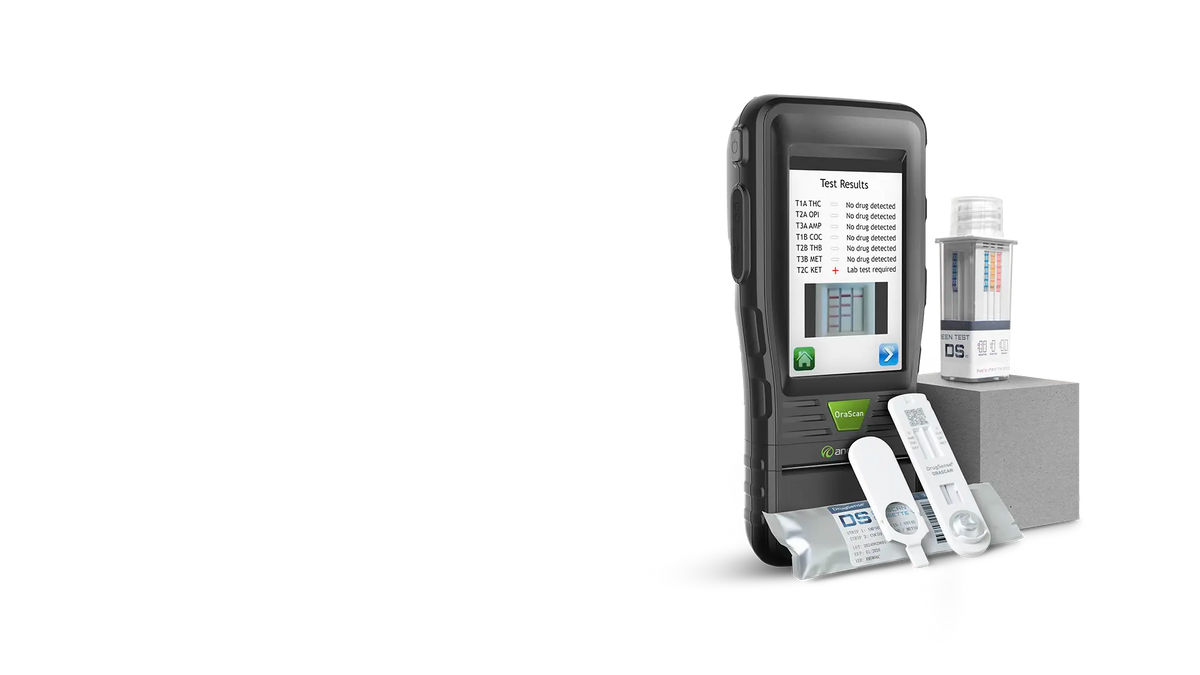
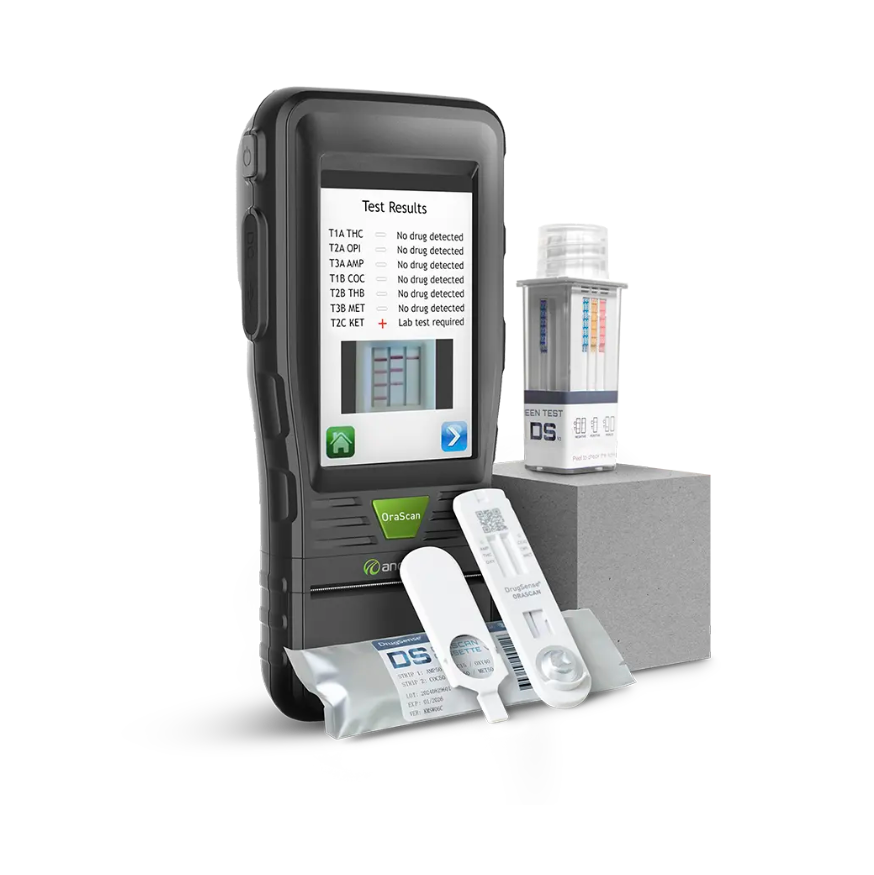
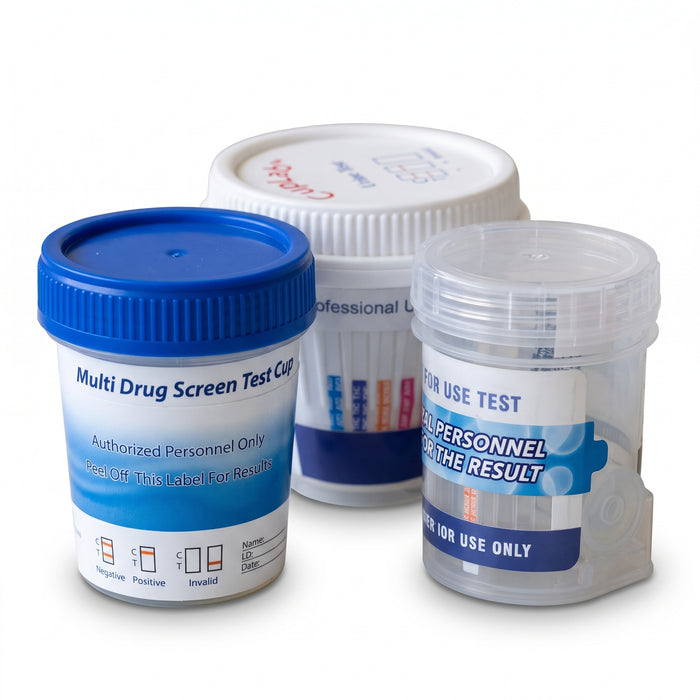
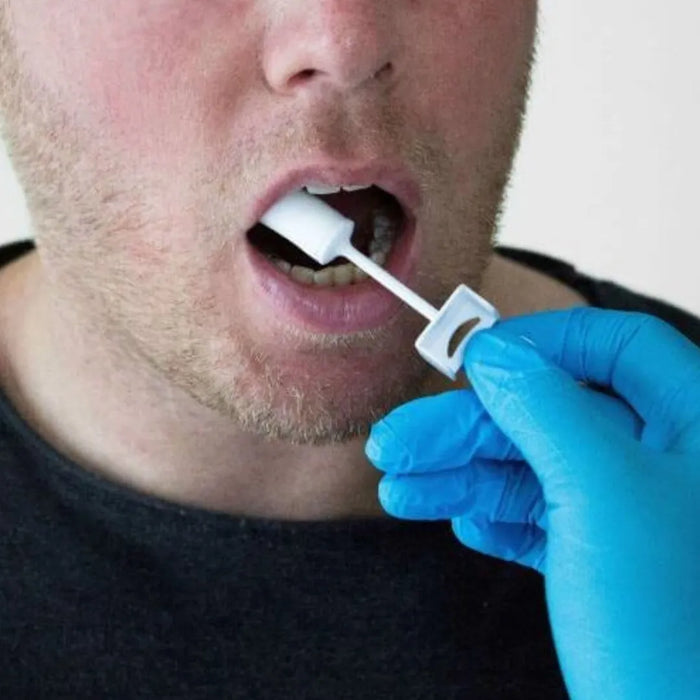
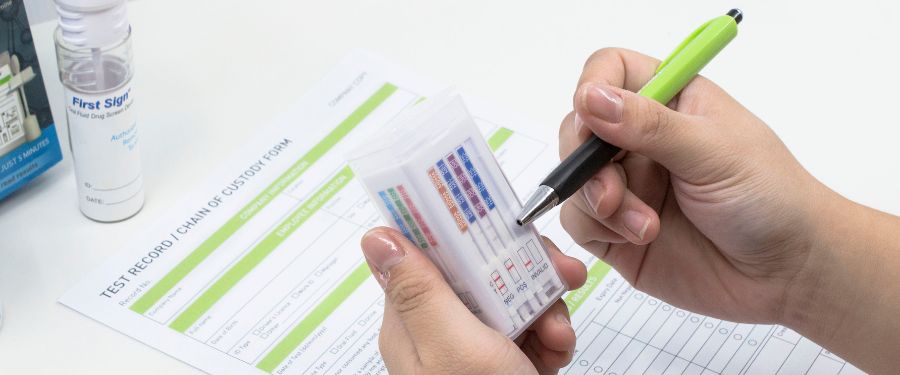
Saliva kits detect recent drug use, from roughly the last 5 to 48 hours. Testers can collect with no toilet or private room, which suits remote and offshore sites.

MDA-registered UDAT kits show use over a longer window. They suit pre-employment and pre-mobilisation screening.
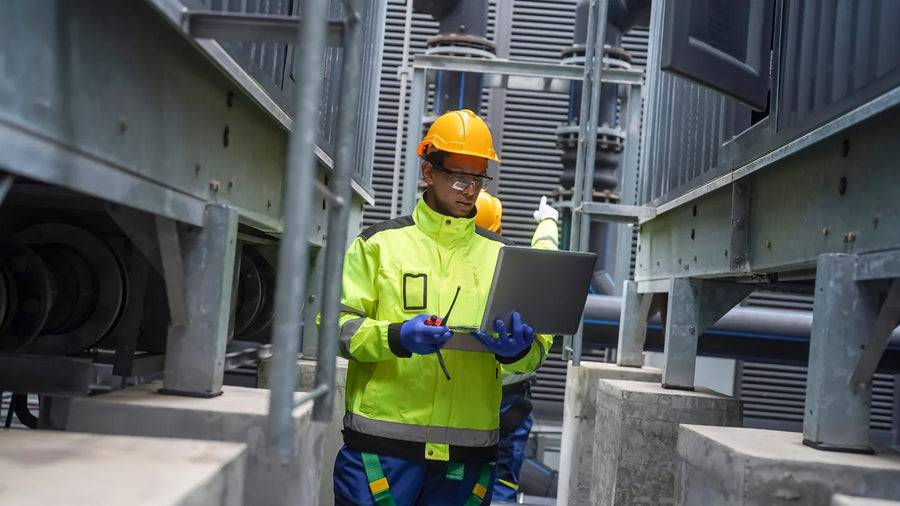
Some operators prefer an independent provider to run testing days at the plant or yard. We can advise on what to look for in a provider and supply the same certified equipment for your own team.
Any site where an impaired worker could hurt themselves, others or the environment. That includes:
In a plant or on a platform, one impaired decision can hurt people, harm the environment and stop operations. A testing program helps you find the risk before it becomes an incident.
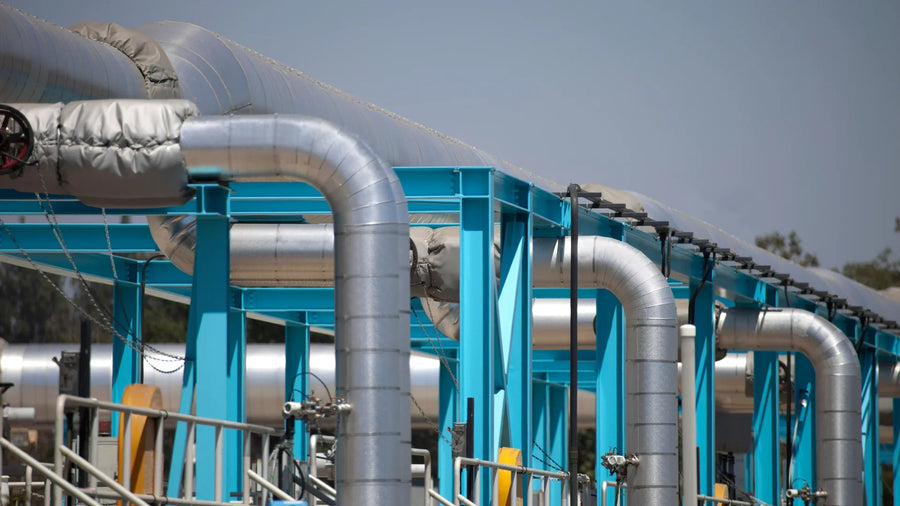
Valves, pipework and live equipment leave no room for a slow reaction or a missed step.
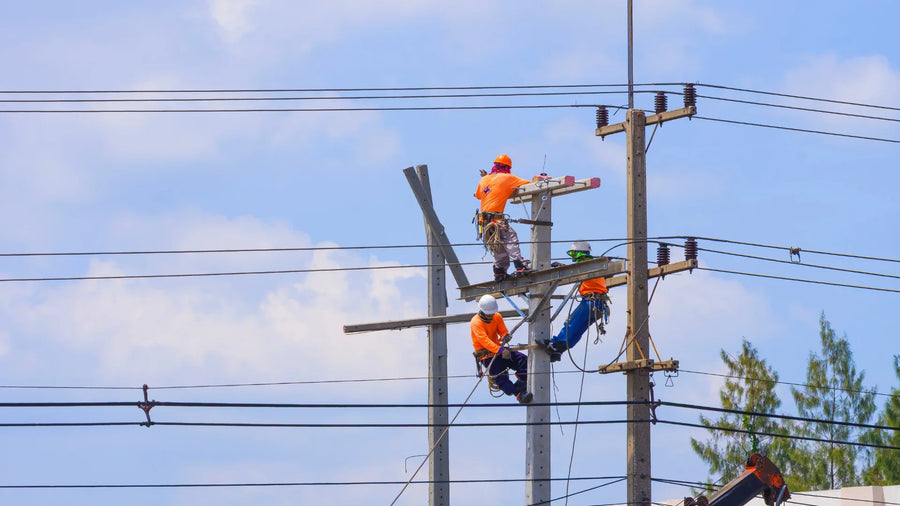
Impairment makes climbing, lifting and confined space entry far riskier.
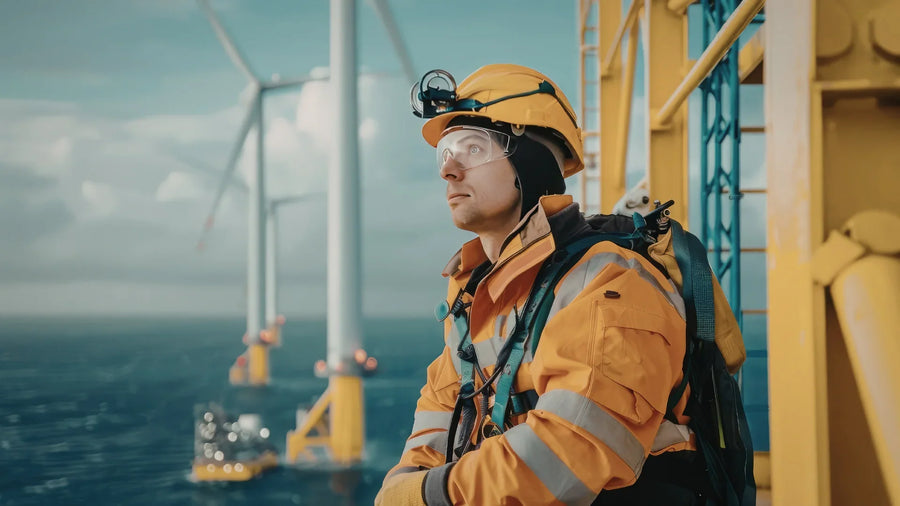
Long rotations away from home and limited supervision can make impairment harder to spot.
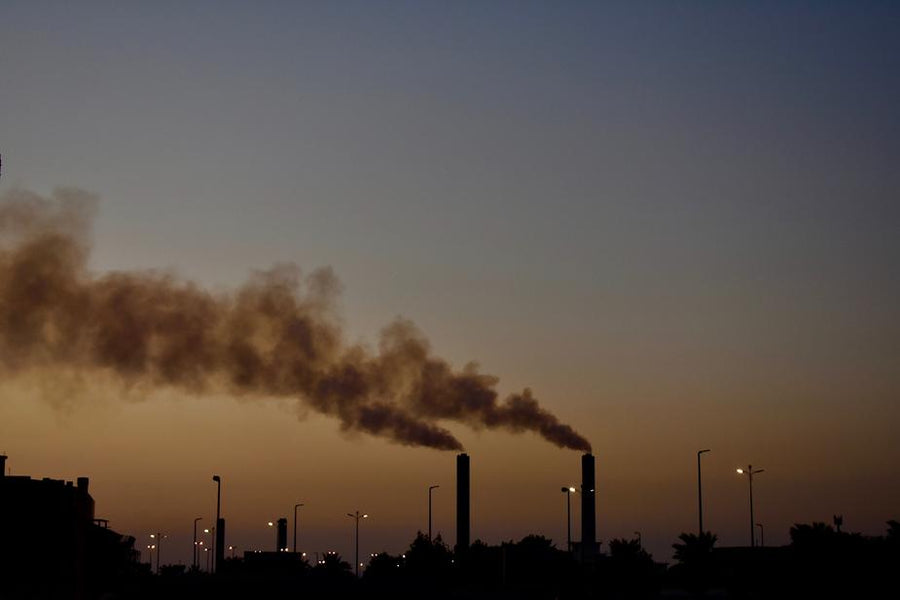
An incident can stop operations, trigger an investigation and delay work.
Operators expect contractors to manage drug and alcohol risk. Weak controls can cost you the next tender.

A weak incident record raises premiums and can cost you contractor approvals.
A clear policy tells workers what is expected, when they will be tested and what happens after a non-negative result. Check your client requirements first, as operators often set their own rules for contractors. Add impairment as a hazard in your HIRARC so testing links back to your risk assessment.

Screen new workers and contractors before they start or mobilise to site.

Breath test workers on safety-critical tasks before they start their shift or enter the work area.

Draw a random sample of workers and contractors on a set schedule, so everyone knows testing can happen.

Test when a supervisor notices signs of impairment before or during a shift.

Test after any incident, near miss or damage to equipment.

Spell out the steps for a worker returning after a non-negative result or treatment.
Your duty as an employer to provide a safe and healthy workplace, as far as practicable. It extends to the contractors working on your site.
Every worker must take reasonable care of their own safety and the safety of others in their work area.

DOSH guidance for employers on policy, committees and training to prevent drug, alcohol and substance abuse at work.

DOSH's process for identifying hazards, assessing risk and choosing controls, with impairment added as a hazard.

The rules covering how test results and personal data of workers and contractors are collected, stored and shared.
Operators often set their own alcohol and drug rules for contractors. Check your client policy before your crew goes to site.
Which drugs show up, and for how long, depends on the test device, sample type and panel selected.
Get a reading in seconds at the gate or control room and keep a record of every test.
Non-negative results should be confirmed by an accredited laboratory, with test records kept for client and regulator audits.
Guides to help you build and run a drug and alcohol program for your plants and platforms.
Guide
A step-by-step guide to putting a testing program in place at your plants and sites.
Guide
How reasonable suspicion testing works and when supervisors should call for it.
Guide
DOSH's view on using breathalyzers to improve safety at work.

Guide
Why last night's drinking can still affect someone on an early shift or crew change.
Guide
A sensitive way to handle suspected alcohol use at work.
Guide
How the latest Malaysian drug figures affect employers.
Still unsure? Talk to our team and we will help you choose the right testing approach for your operations.
Yes, typically under a written policy that workers and contractors are aware of and agree to. OSHA 1994 and the DOSH Code of Practice support such policies. Your HR or legal adviser can check your contracts and client terms.
Yes, if your contract says so. Check your client policy too, as operators often set their own rules for contractors.
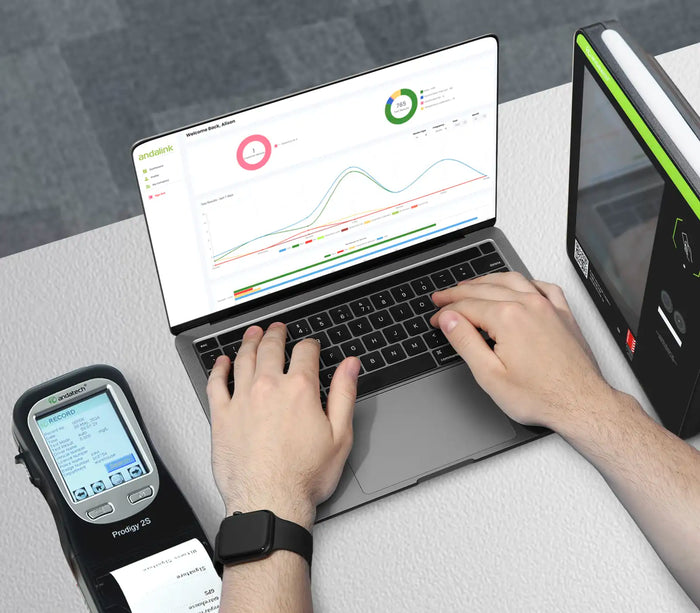
Yes. Handheld breathalyzers and saliva kits are portable, so crews can test on site. For several sites, Andalink collects every result in one dashboard.
Breath tests take seconds, so they work well at the entrance. Use saliva kits after incidents or on reasonable suspicion.
No. We supply equipment and advice on your policy and process; your own people or an appointed provider carry out the tests.
Once a year from the date of purchase. We calibrate at our local office and send a reminder.