




100%
of active flight crew and cabin crew at Malaysian airlines must be drug tested under CAAM Safety Directive 02/2026, with more unannounced random and reasonable-suspicion testing to follow.
Press Enter to search, Esc to close.

IndustriesAviation
Malaysia's aviation regulator now requires drug testing for all airline flight and cabin crew. Give your crew and ground teams the breathalyzers, drug test kits and policy they need to show every safety-critical person is fit for duty.
100%
of active flight crew and cabin crew at Malaysian airlines must be drug tested under CAAM Safety Directive 02/2026, with more unannounced random and reasonable-suspicion testing to follow.
30 days
is the window CAAM gave airlines to complete the drug testing and submit a declaration of compliance. Crew returning from leave must be tested before they resume duty.
1,260
Malaysia Airlines pilots are being screened under mandatory drug testing, announced after the arrest of one of its pilots in Jakarta.
Malaysian Aviation Group, reported by The Star, 9 August 2026
Choose the method that suits each testing situation. Many operators use more than one.

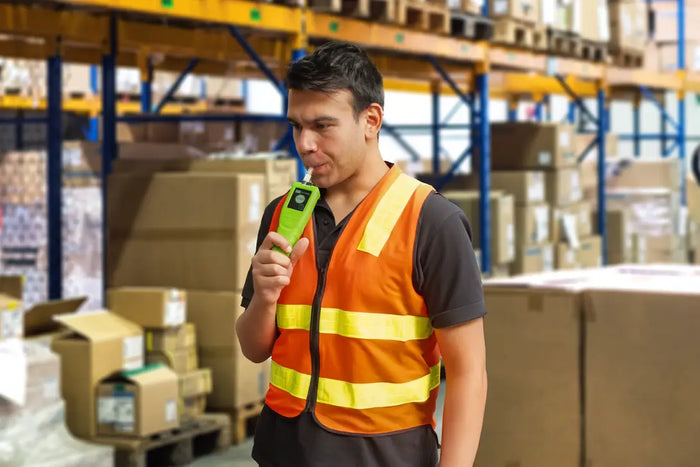
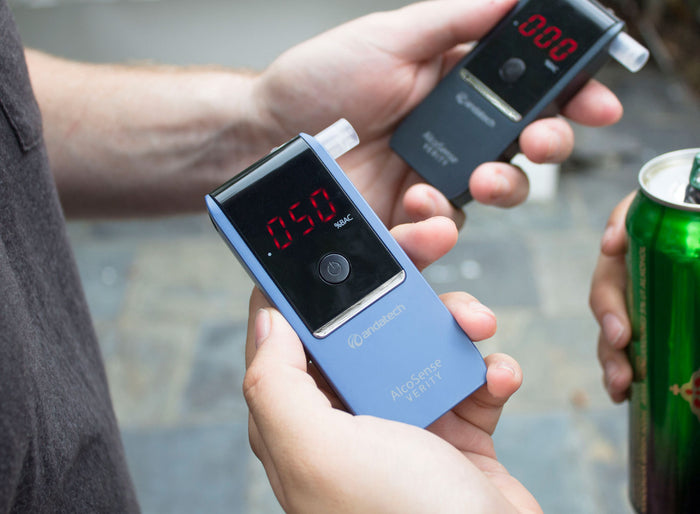
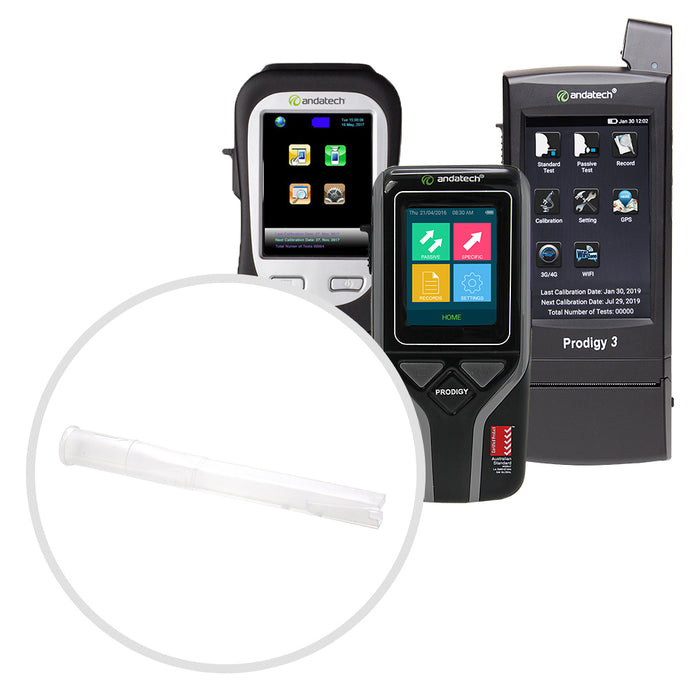
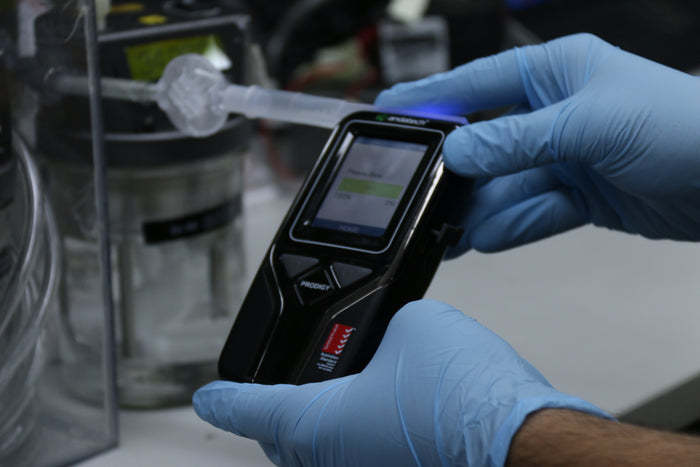
Portable and wall-mounted breathalyzers for crew rooms, briefing points and ramp access. Our breathalyzers are certified to Australian Standard AS3547 and calibrated every 12 months.

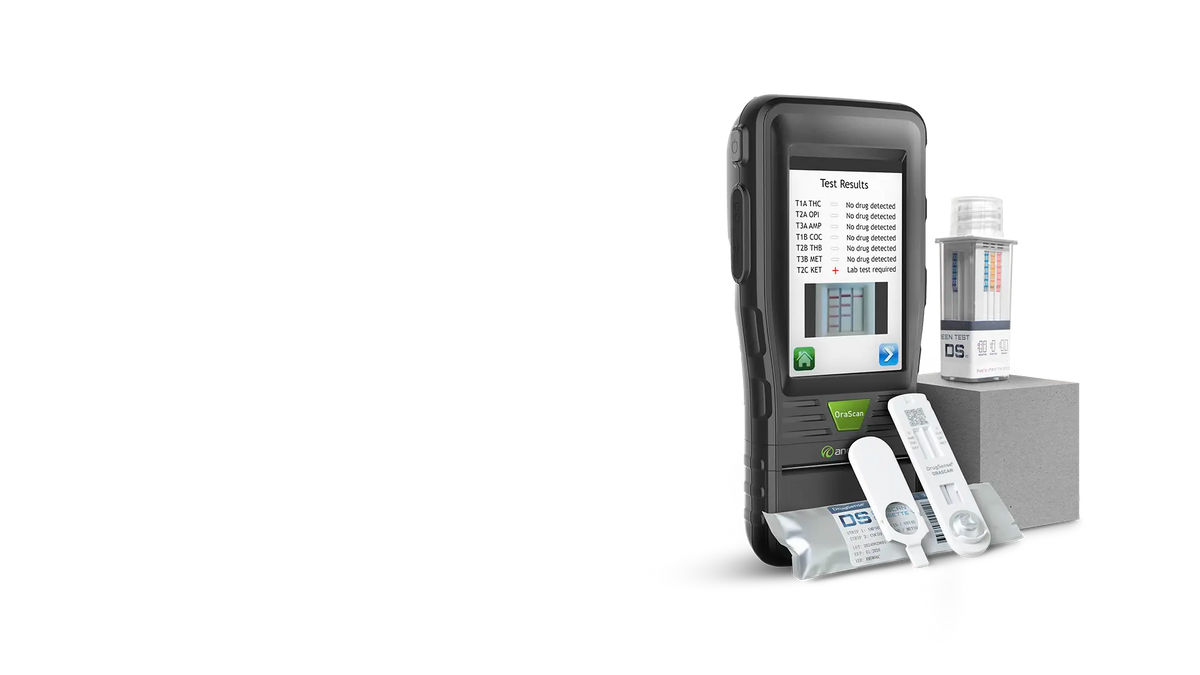
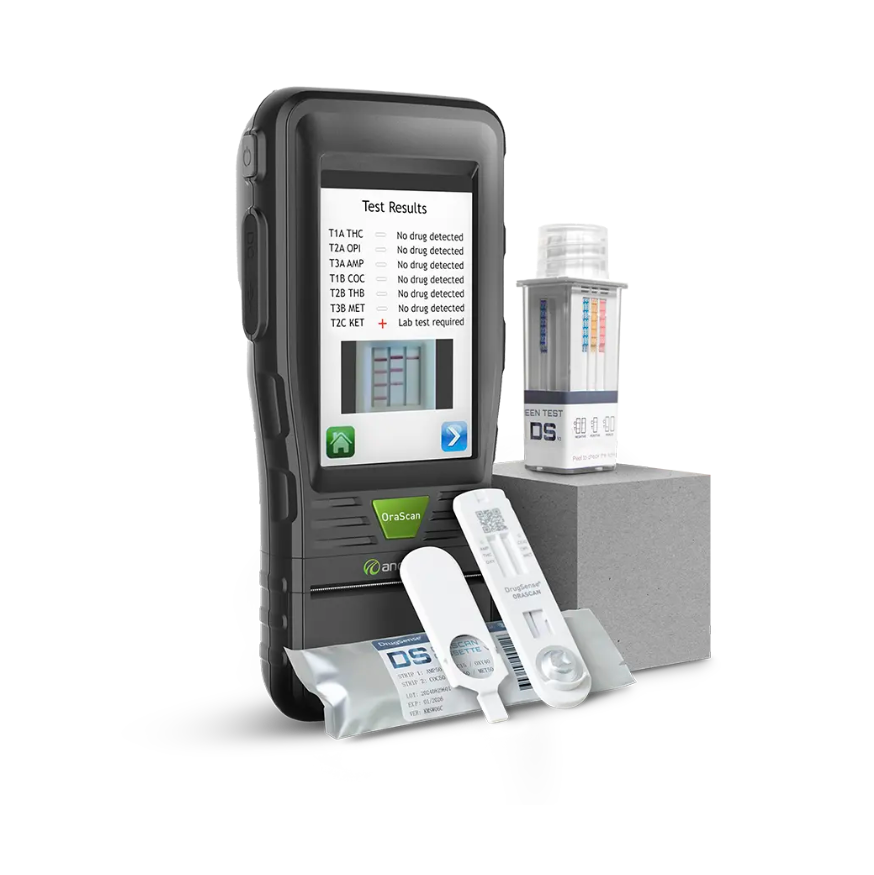
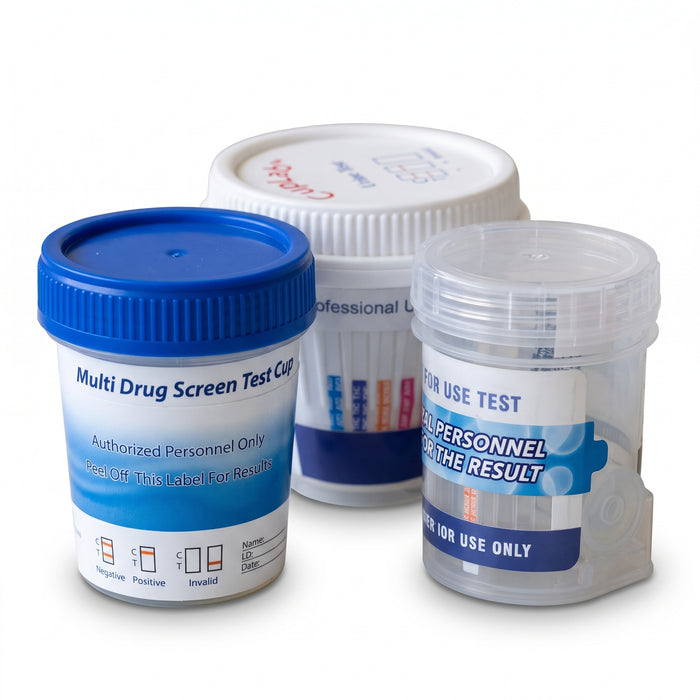
MDA-registered UDAT kits show use over a longer window. They suit pre-employment and periodic screening.

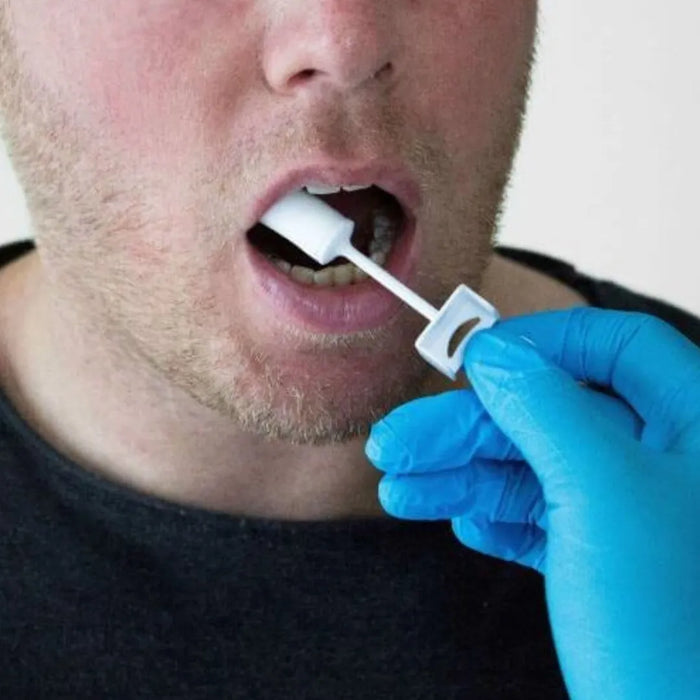
Saliva kits detect recent drug use, from roughly the last 5 to 48 hours. Testers can collect in a crew room or on the ramp with no toilet or private room.

Airlines test under an alcohol and drug testing program (ADTP) approved by CAAM. We supply the equipment and advise on practical setup, so check your own program for the methods and laboratories it requires.
Any business that puts people in safety-critical roles around aircraft has a duty of care to them and to the travelling public. That includes:
Impairment on the flight deck, in the cabin or on the ramp puts people, aircraft and your operating licence at risk. A testing program helps you catch it before duty begins.
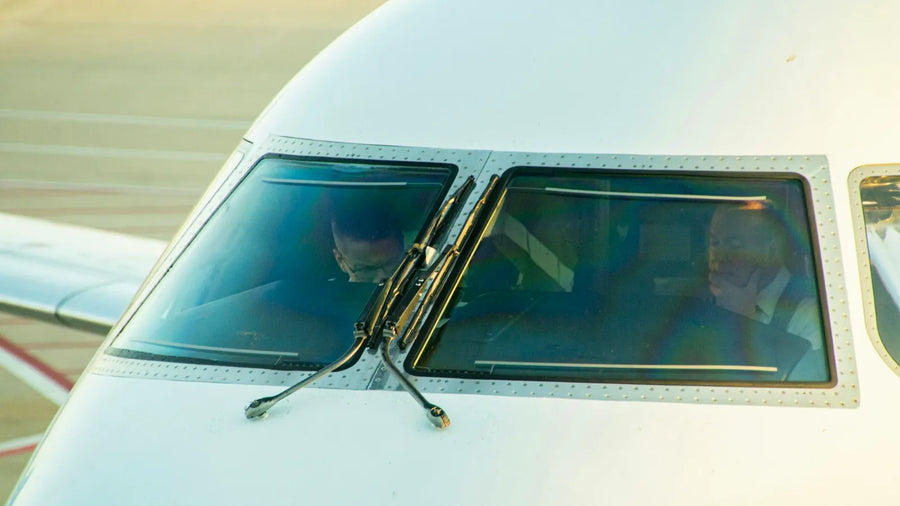
A slow reaction or poor judgement on the flight deck leaves very little room to recover.

Cabin crew must act fast in an evacuation or medical emergency. Impairment puts every passenger at risk.
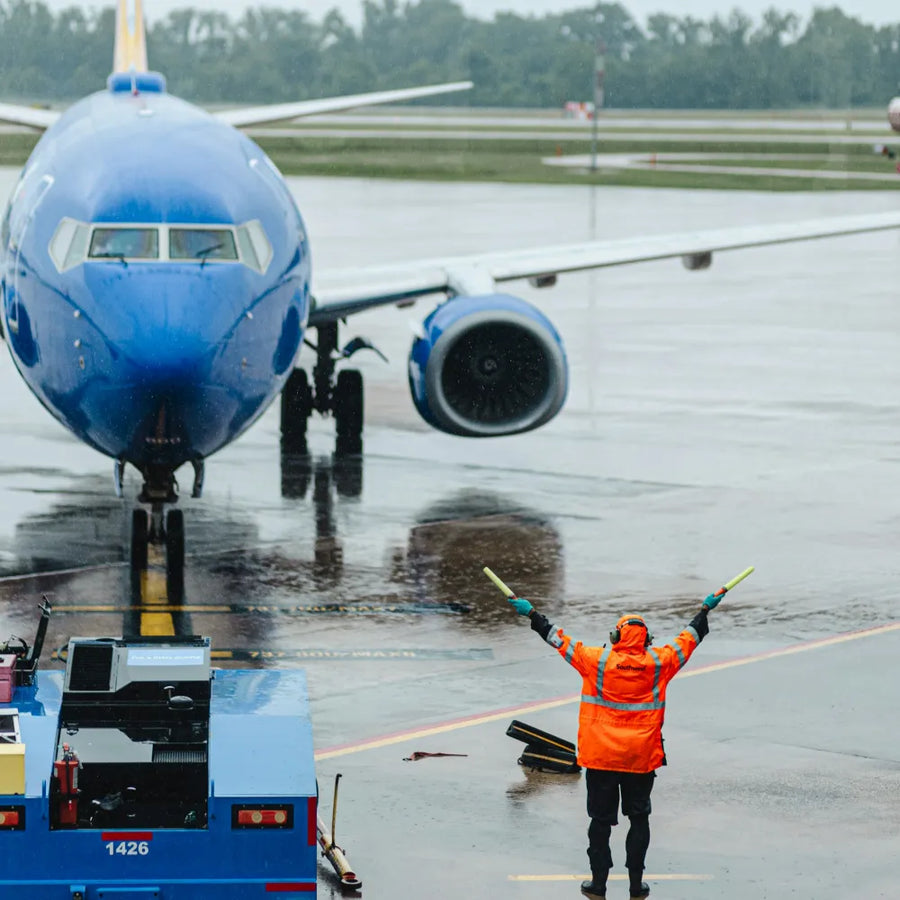
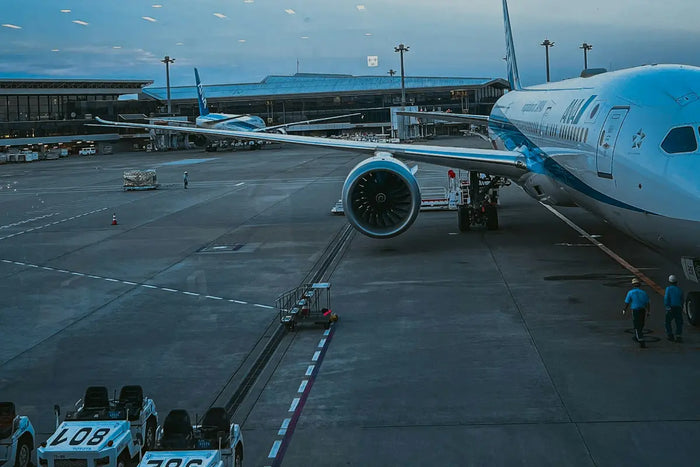
Tugs, loaders and fuel trucks work close to aircraft. One impaired operator can damage an aircraft or injure colleagues.

CAAM can verify testing records, carry out unannounced inspections and use its enforcement powers where requirements are breached.
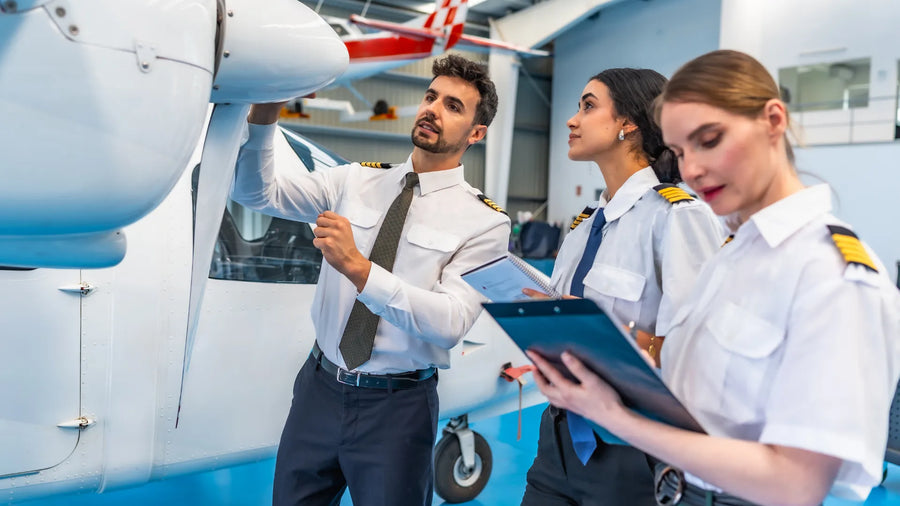
An unfit crew member can ground a flight and disrupt every sector that follows.

Passengers, partners and insurers expect strong fitness-for-duty controls. One incident can damage all three.
A clear policy tells crew and ground staff what is expected, when they will be tested and what happens after a non-negative result. Build testing into your safety management system and train the people who will run it.

Screen new crew, engineers and ramp staff before they start safety-critical work.

Breath test crew and ground staff at check-in or briefing, before they start a duty.

Test a share of staff without notice, including night operations and extended duty periods.

Test straight away when a supervisor sees behavioural, physical or operational signs of impairment.

Test after any incident, near miss or damage to an aircraft or equipment.

Test crew coming back from leave before they resume operational duty, and set clear conditions after a positive result.

Issued on 7 August 2026. Requires Malaysian airlines to drug test all active flight and cabin crew within 30 days, review their testing programs and increase unannounced random and reasonable-suspicion testing.

Each operator tests under its own program, reviewed by CAAM. Check your program before you choose equipment or a testing provider.

Your duty as an employer to provide a safe workplace, so far as is practicable.
Every employee must take reasonable care of their own safety and that of others at work.

DOSH guidance on preventing and eradicating drug, alcohol and substance abuse at work, covering policies, committees and training.

Rules on how crew test results and other personal data are collected, stored and shared.

Airports, lessors and handling contracts may set their own alcohol and drug rules. Check your agreements before you finalise your policy.
What a kit detects, and for how long, depends on the device, the sample type and the panel you choose.
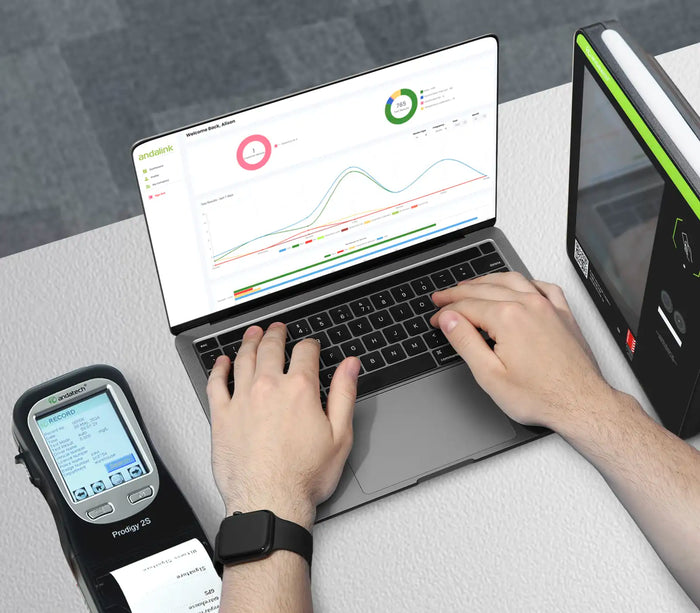
Get a reading in seconds and record it for audits.
Send any non-negative result to an accredited laboratory for confirmation, and keep testing records ready for audits.
Guides to help you build and run a drug and alcohol program for your crew and ground staff.
 Latest
Guide
What tighter airport screening and mandatory crew testing mean for operators.
Guide
How cut-off levels work and what they mean for your results.
Guide
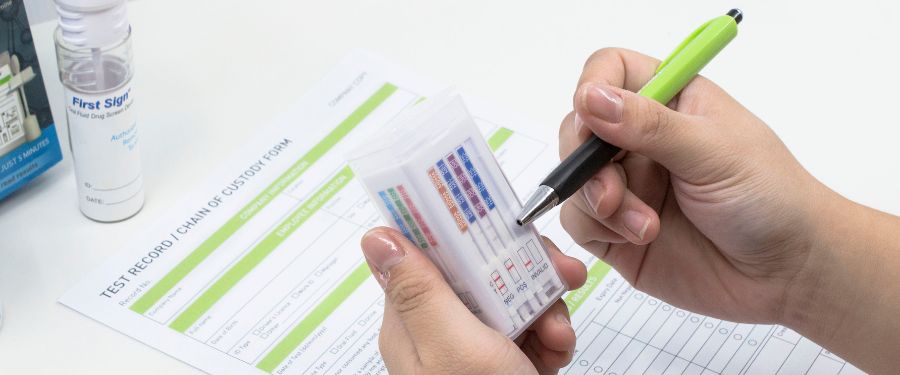
A step-by-step guide to setting up drug and alcohol testing for your crew and staff.
Guide
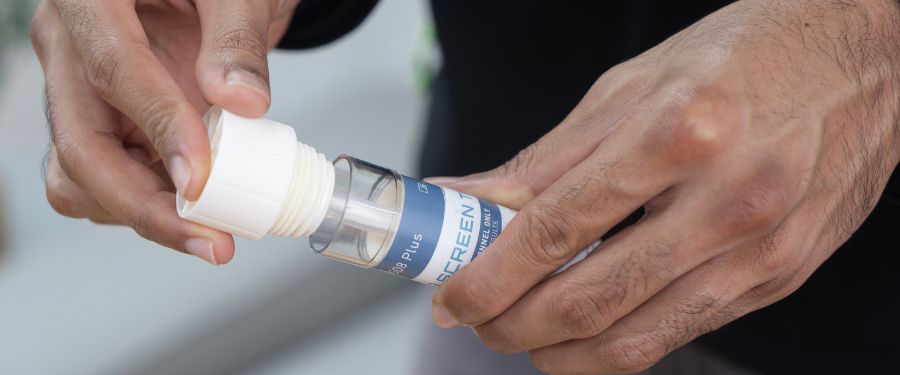
What police use of saliva testing means for employers.

Guide
How alcohol testing fits DOSH guidelines on preventing alcohol and drug problems at work.
Guide
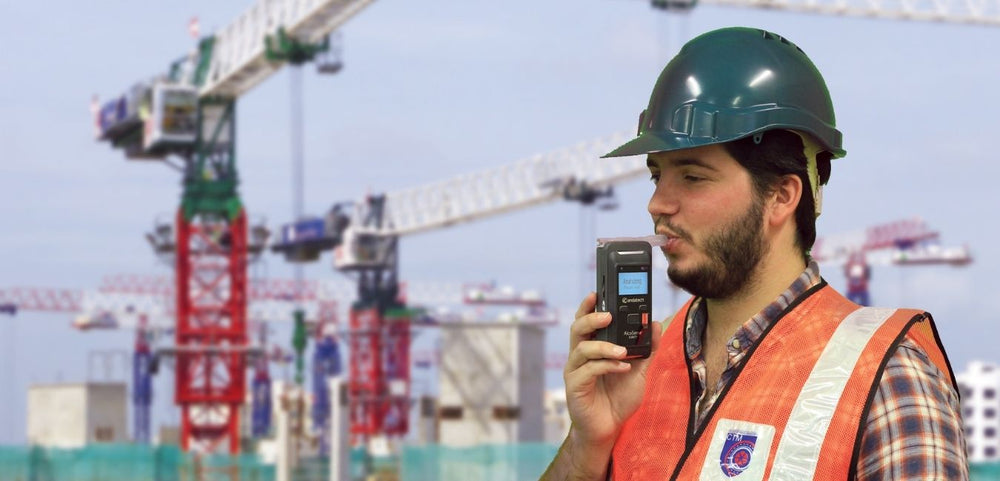
Why we calibrate breathalyzers every 12 months and how our reminders work.
Still unsure? Talk to our team and we'll help you find the right testing approach for your crew and ground staff.
Yes. CAAM Safety Directive 02/2026, issued on 7 August 2026, requires Malaysian airlines to drug test all active flight crew and cabin crew within 30 days and to increase unannounced random and reasonable-suspicion testing. Read the CAAM news release and check your own testing program for the details that apply to you.
Yes. Portable breathalyzers and saliva kits need no lab or collection room, so you can test in a crew room, a hangar or at a ramp briefing point. Many operators extend their policy to engineers, ramp staff and security pass holders.
A breath test takes seconds, so it suits check-in and briefing. Saliva kits suit random, reasonable suspicion and post-incident testing.
No. We supply the equipment and advise on your policy and testing process, so your own trained staff or your chosen provider can run the tests.
Once a year. Our local office calibrates your units and sends a reminder before the due date.